AKWA IBOM
AKWA IBOM
AKWA IBOM AKWA IBOM
WATER INSECTS SOIL DUST
WATER INSECTS SOIL DUST
PLANTS
CROPS
PEOPLE
FRUITS
WIND
PLANTS CROPS PEOPLE FRUITS WIND
CARVED TO FLOW FOUNDATION
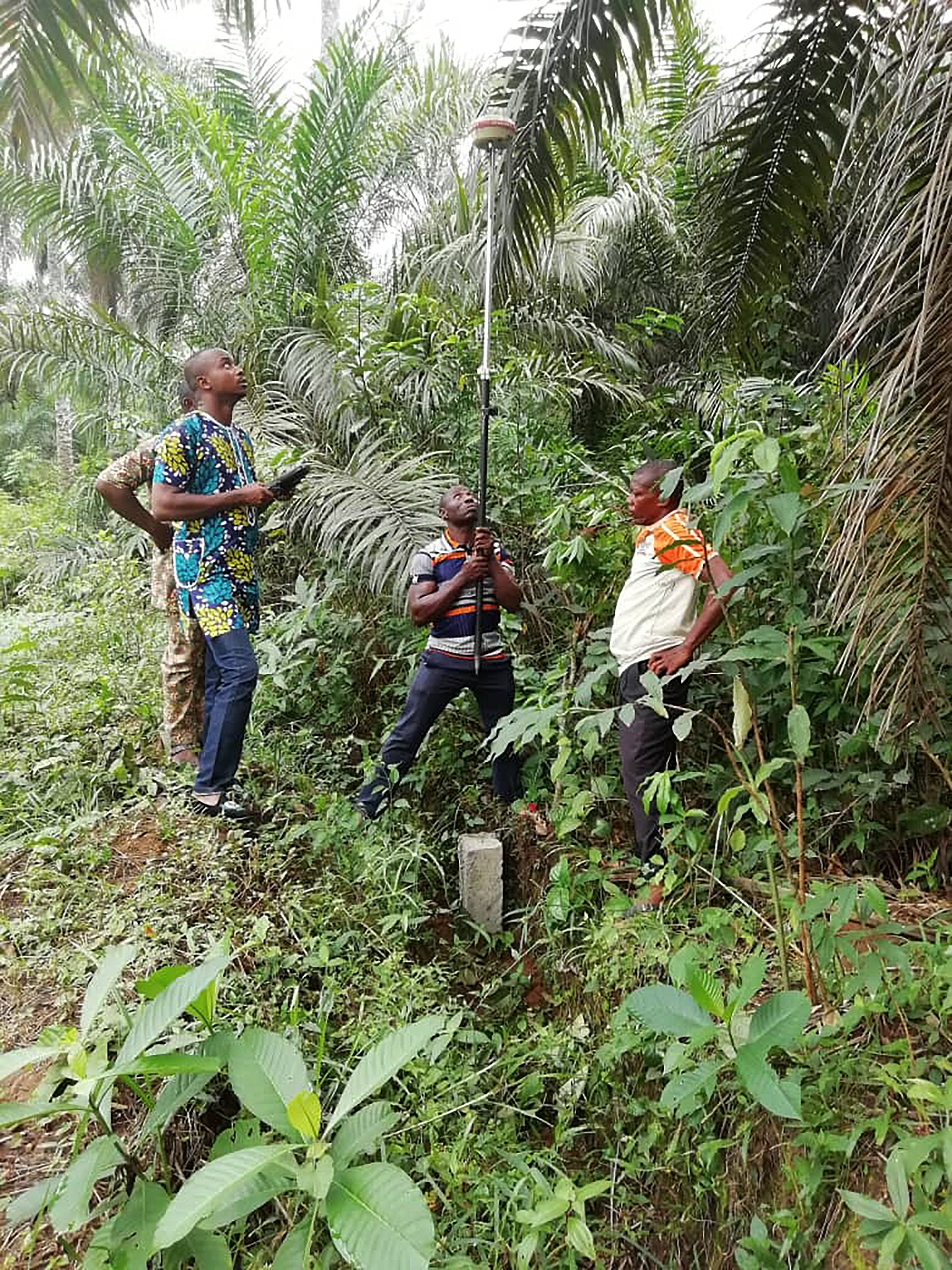
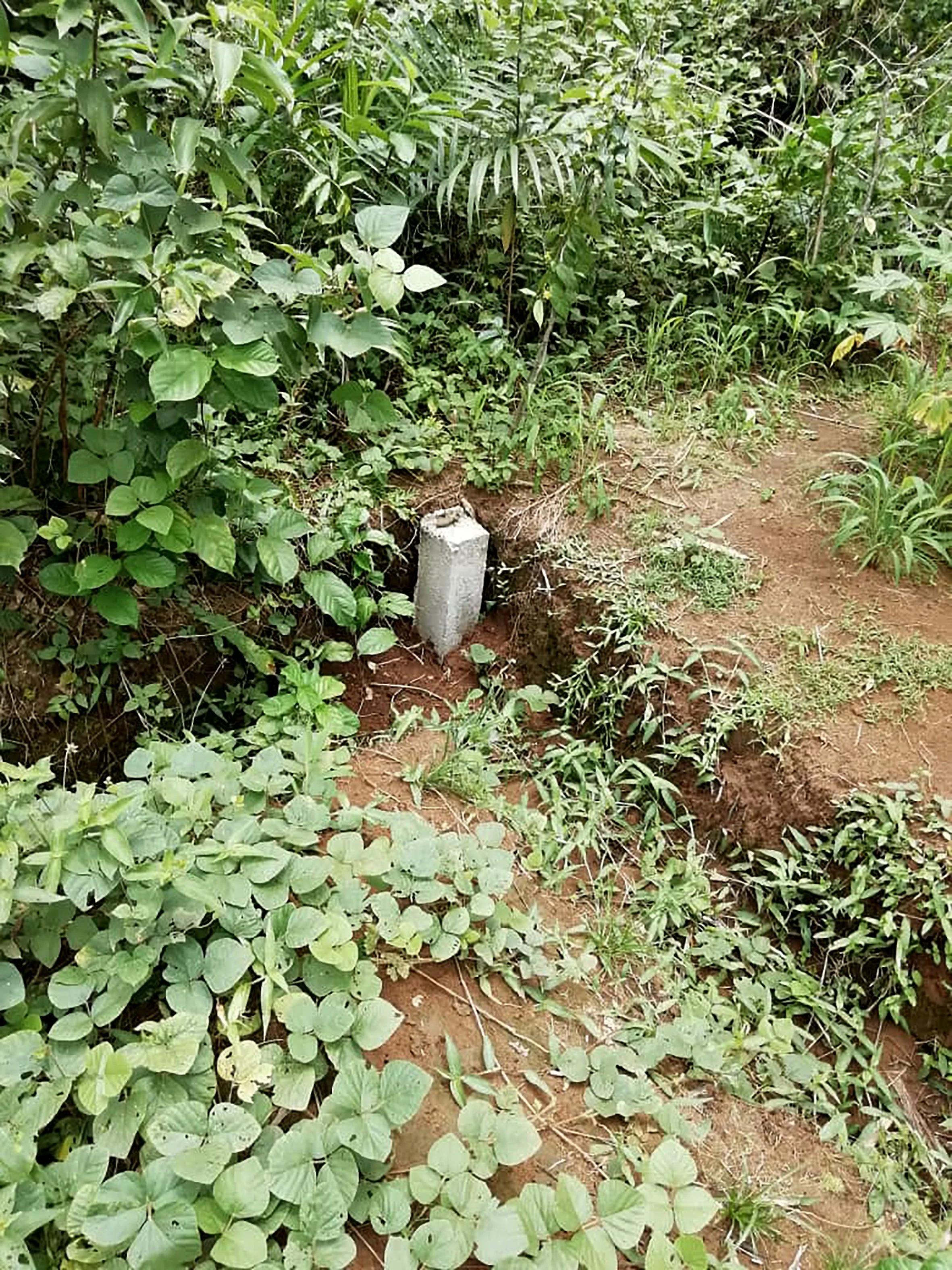
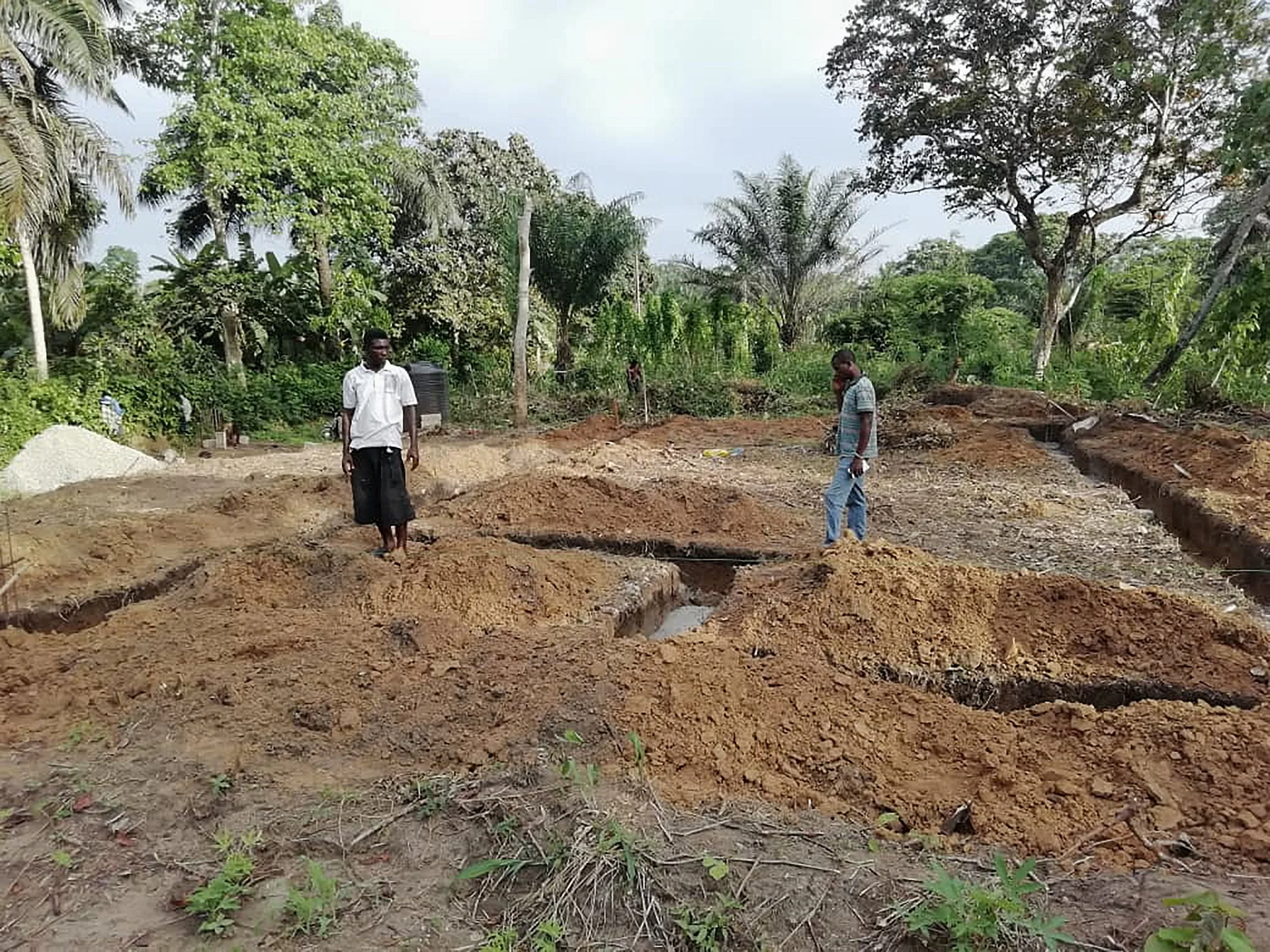
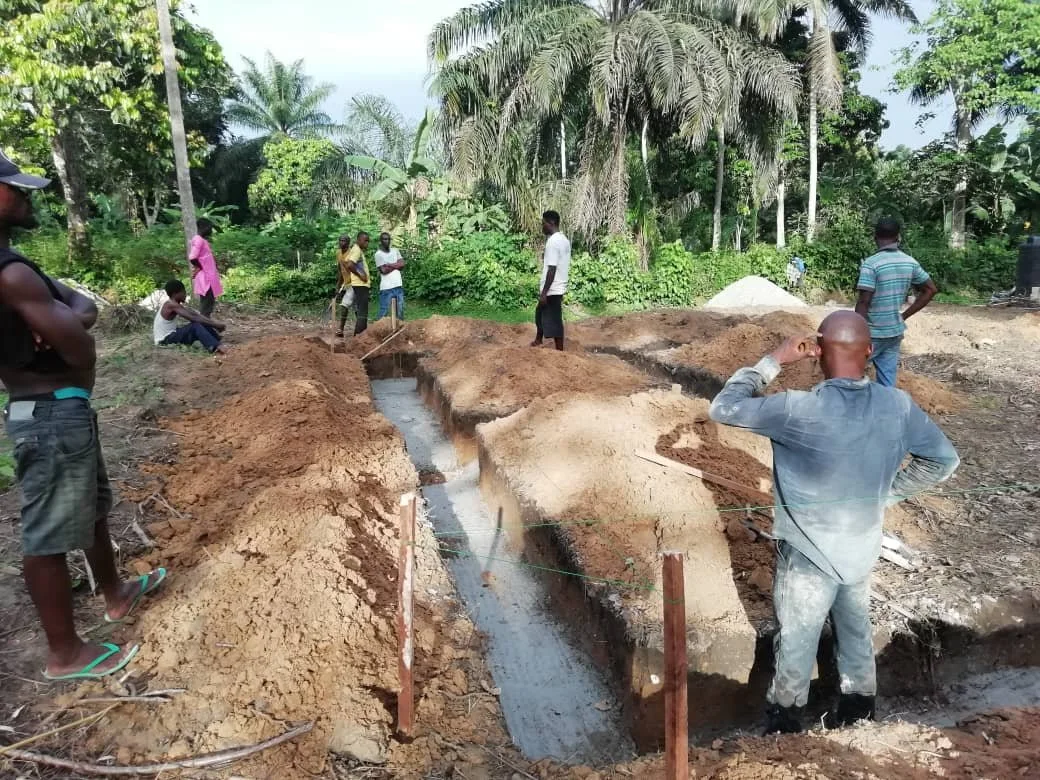
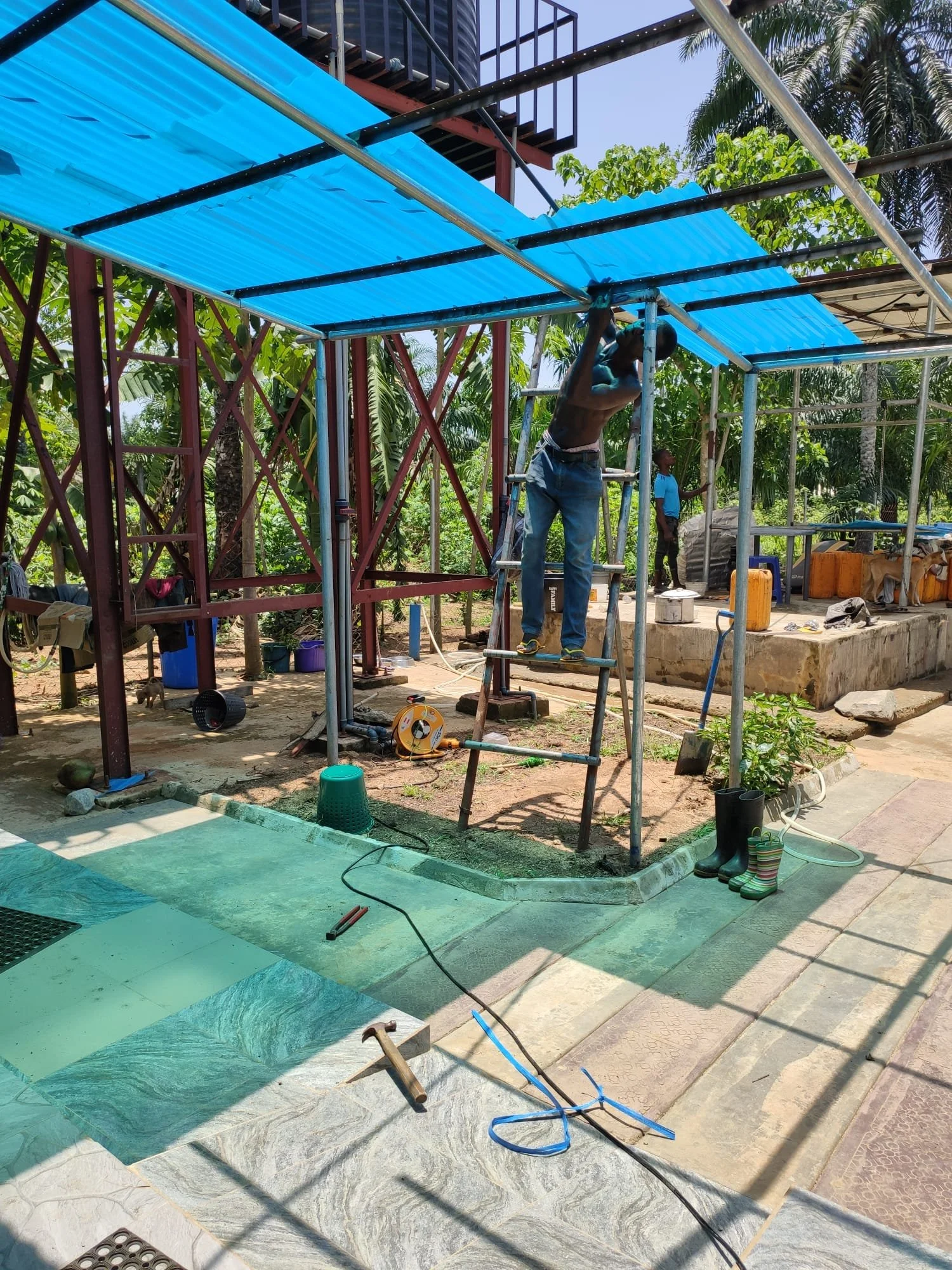
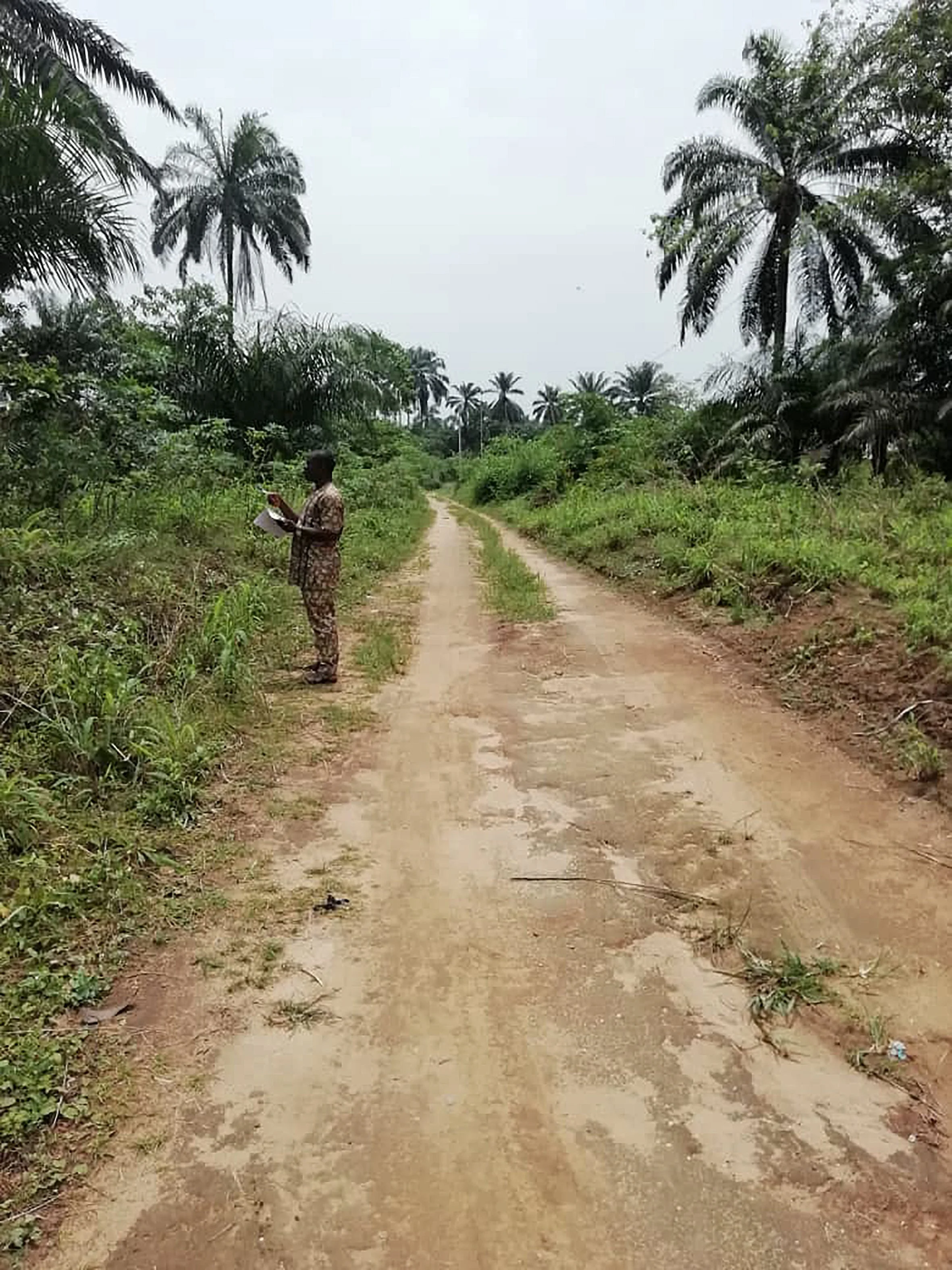
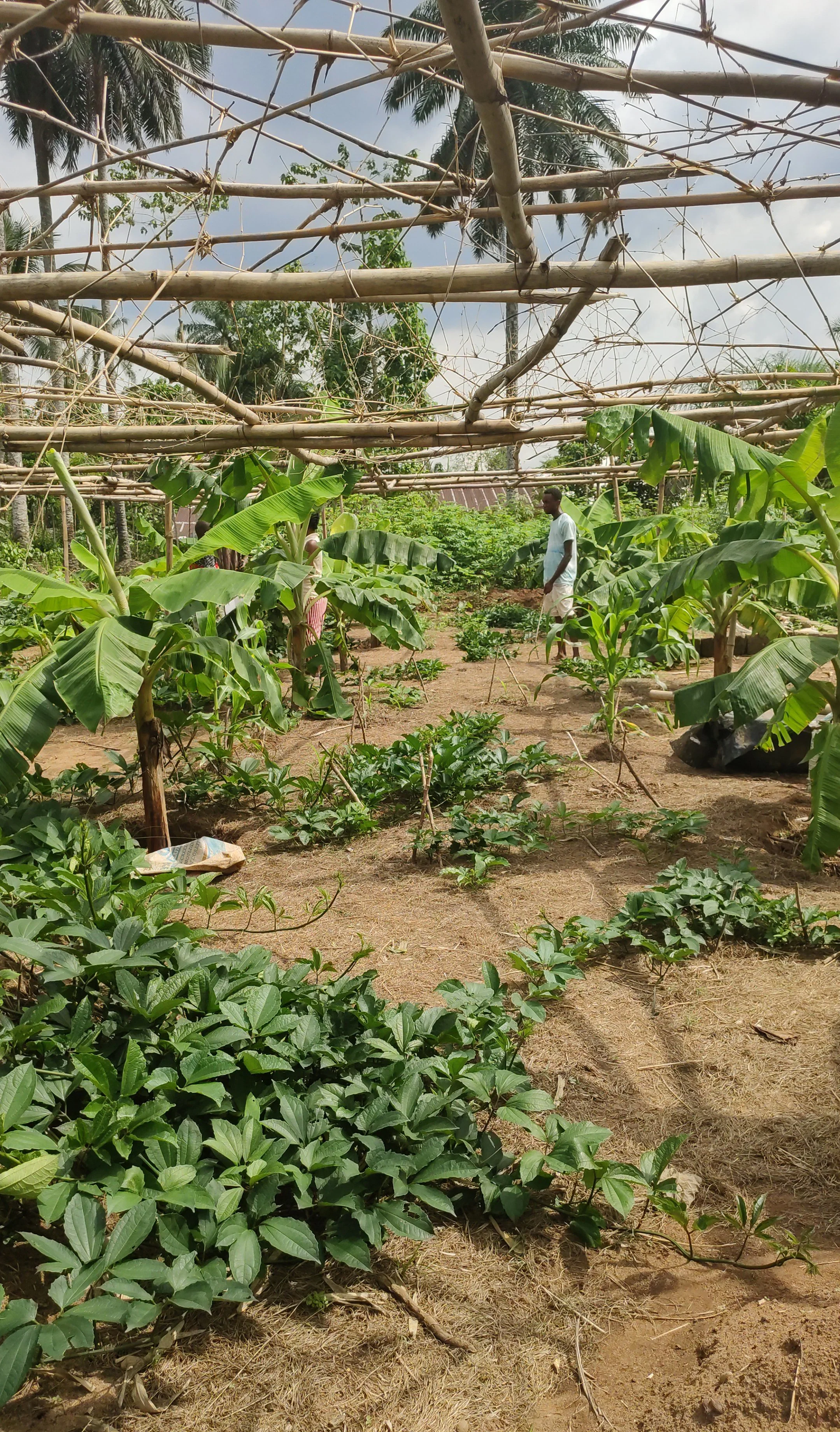
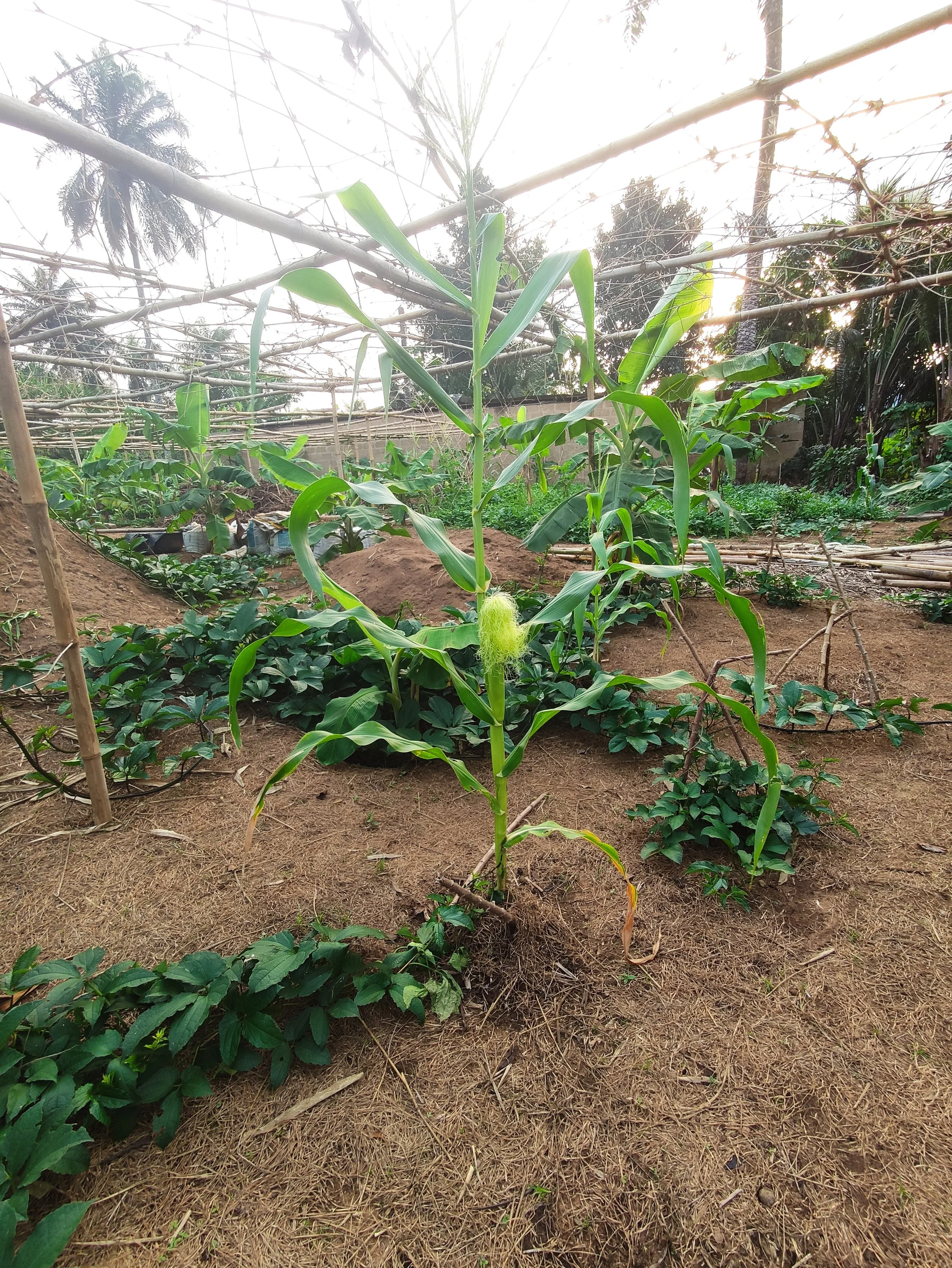
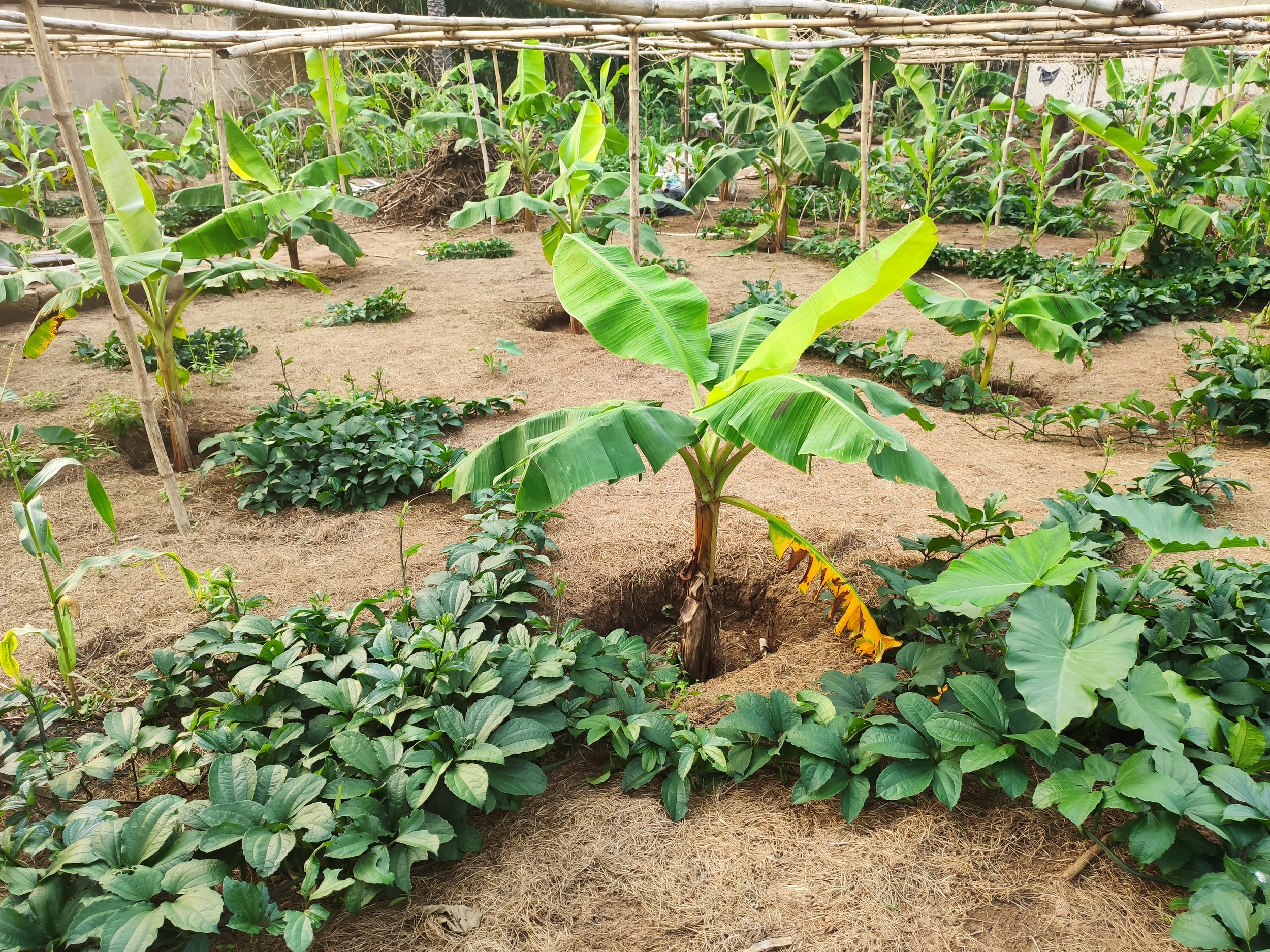
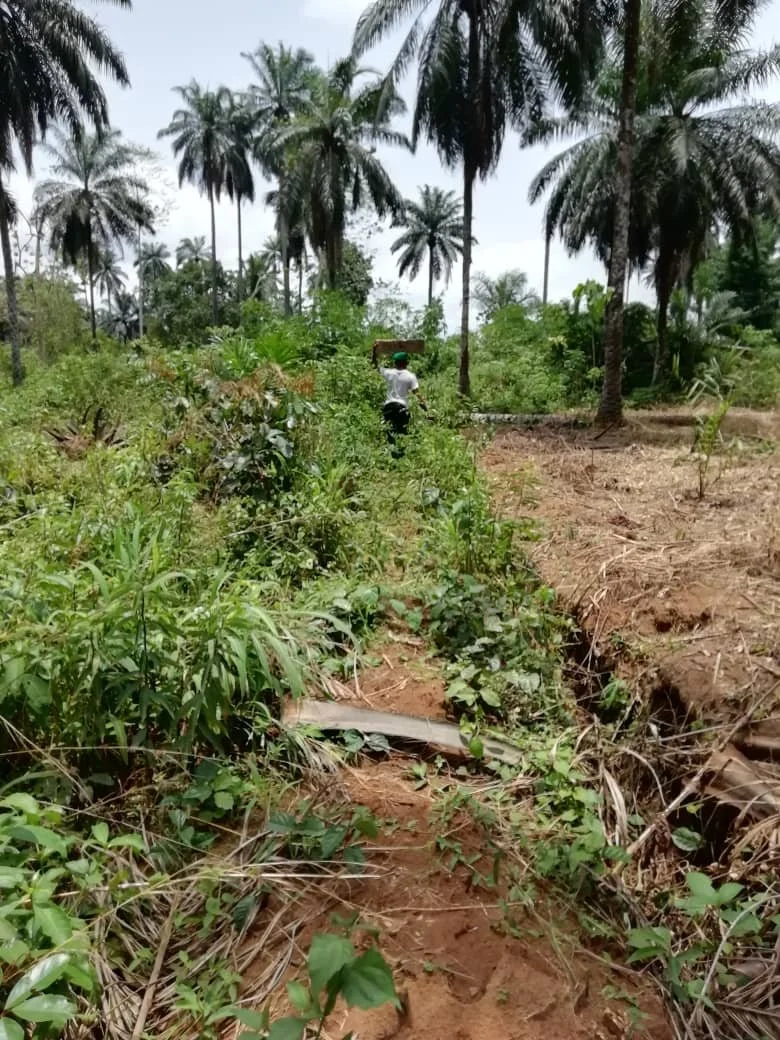
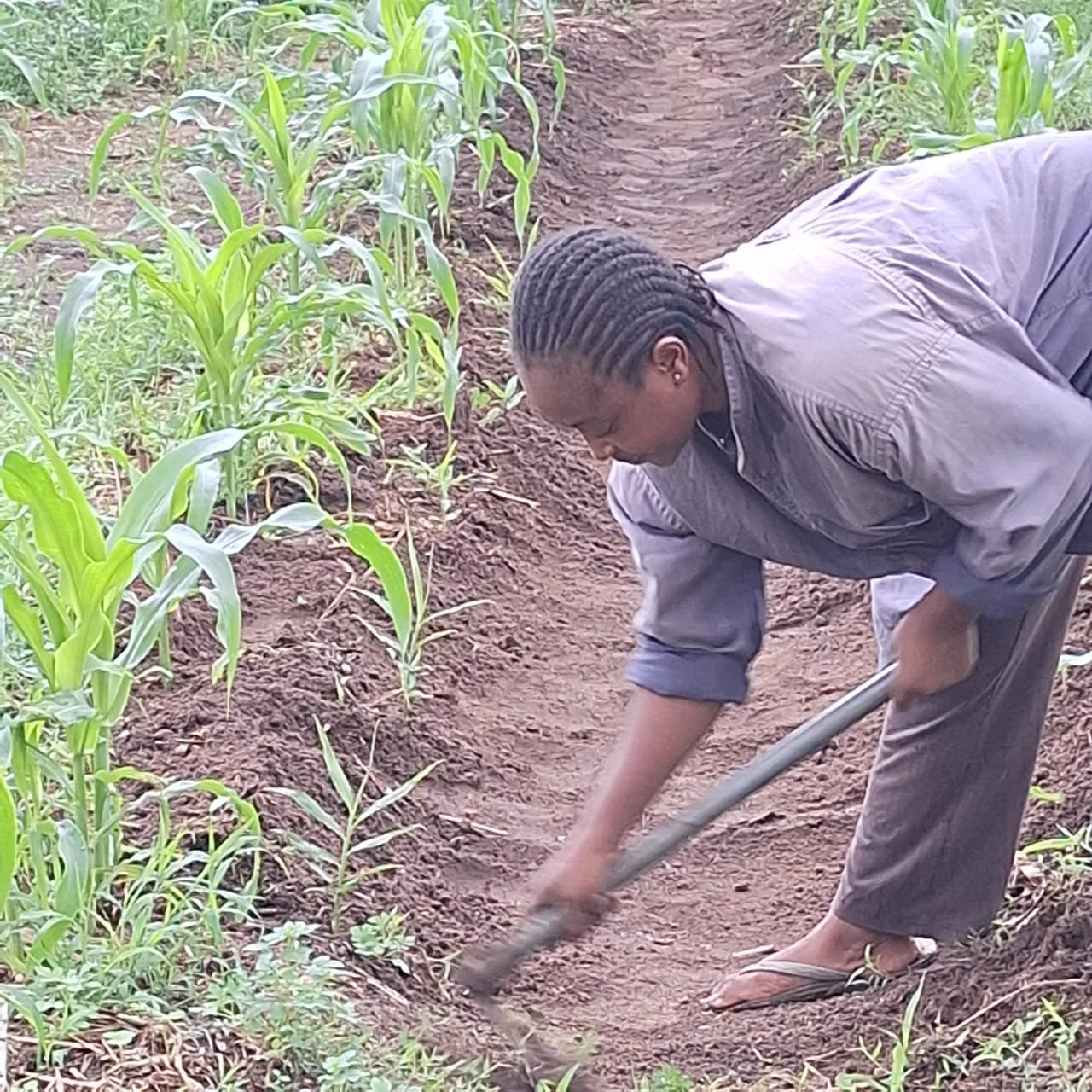
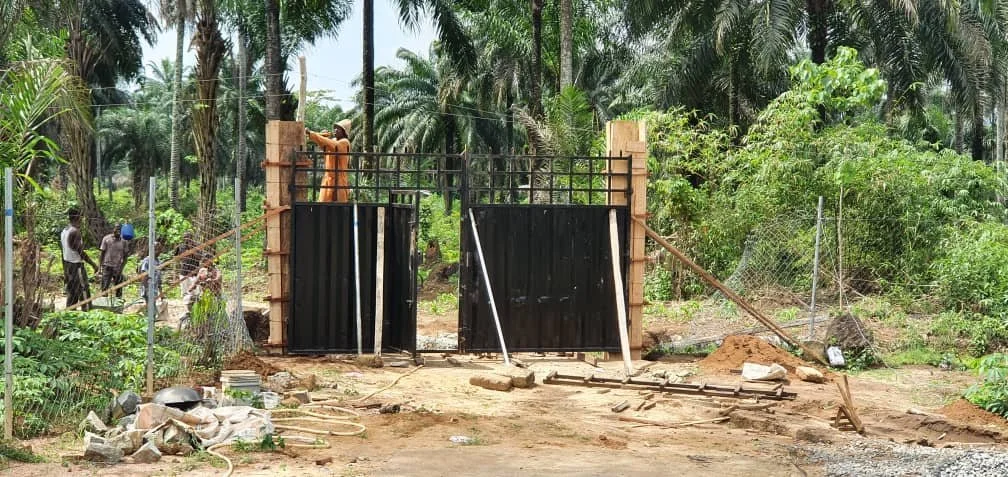
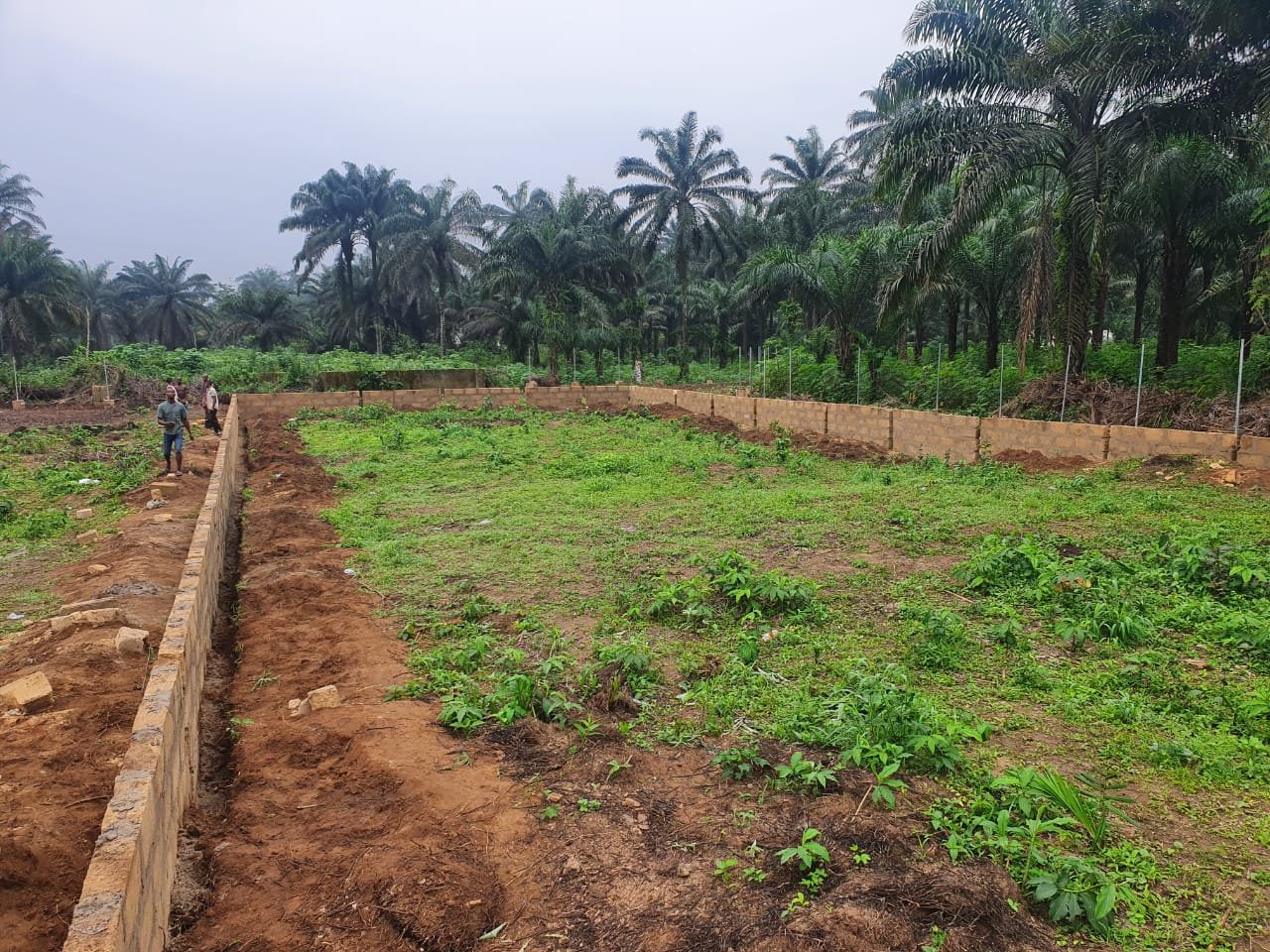
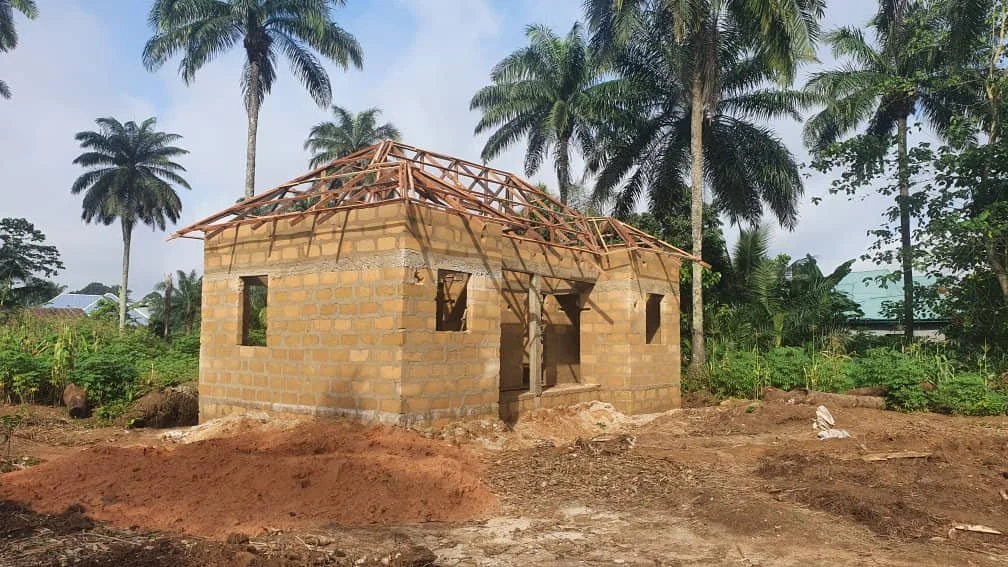
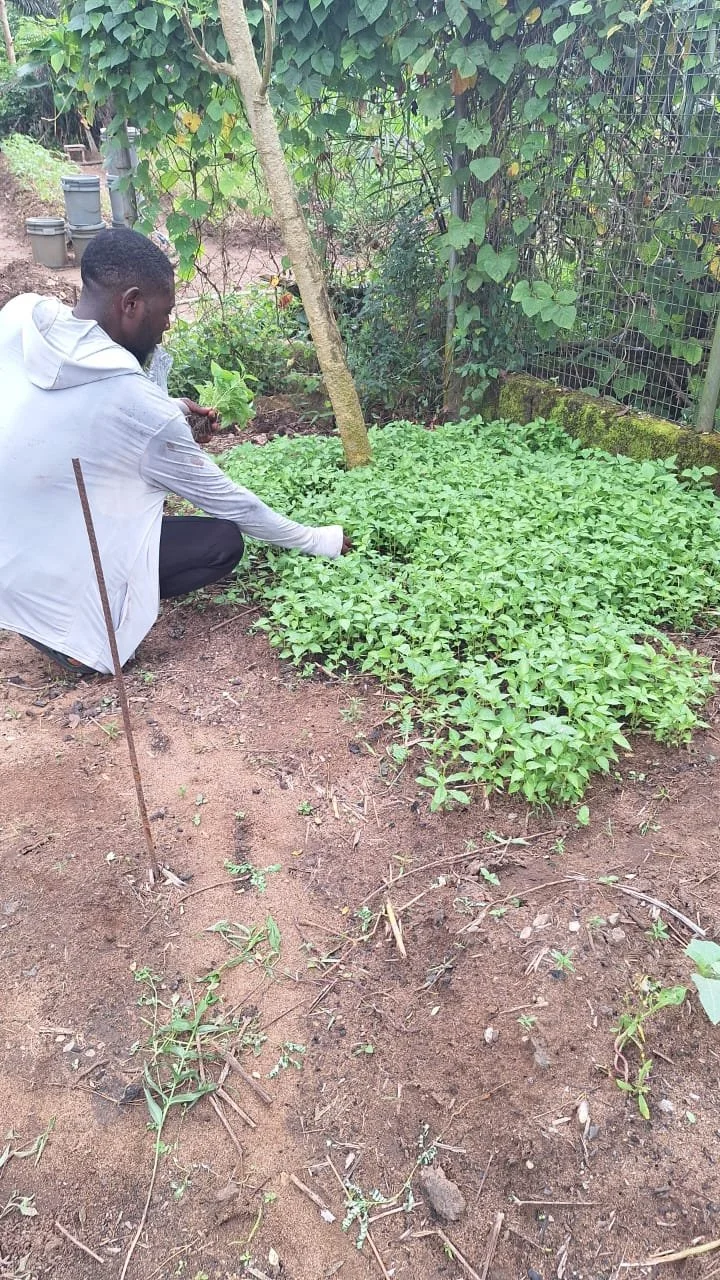
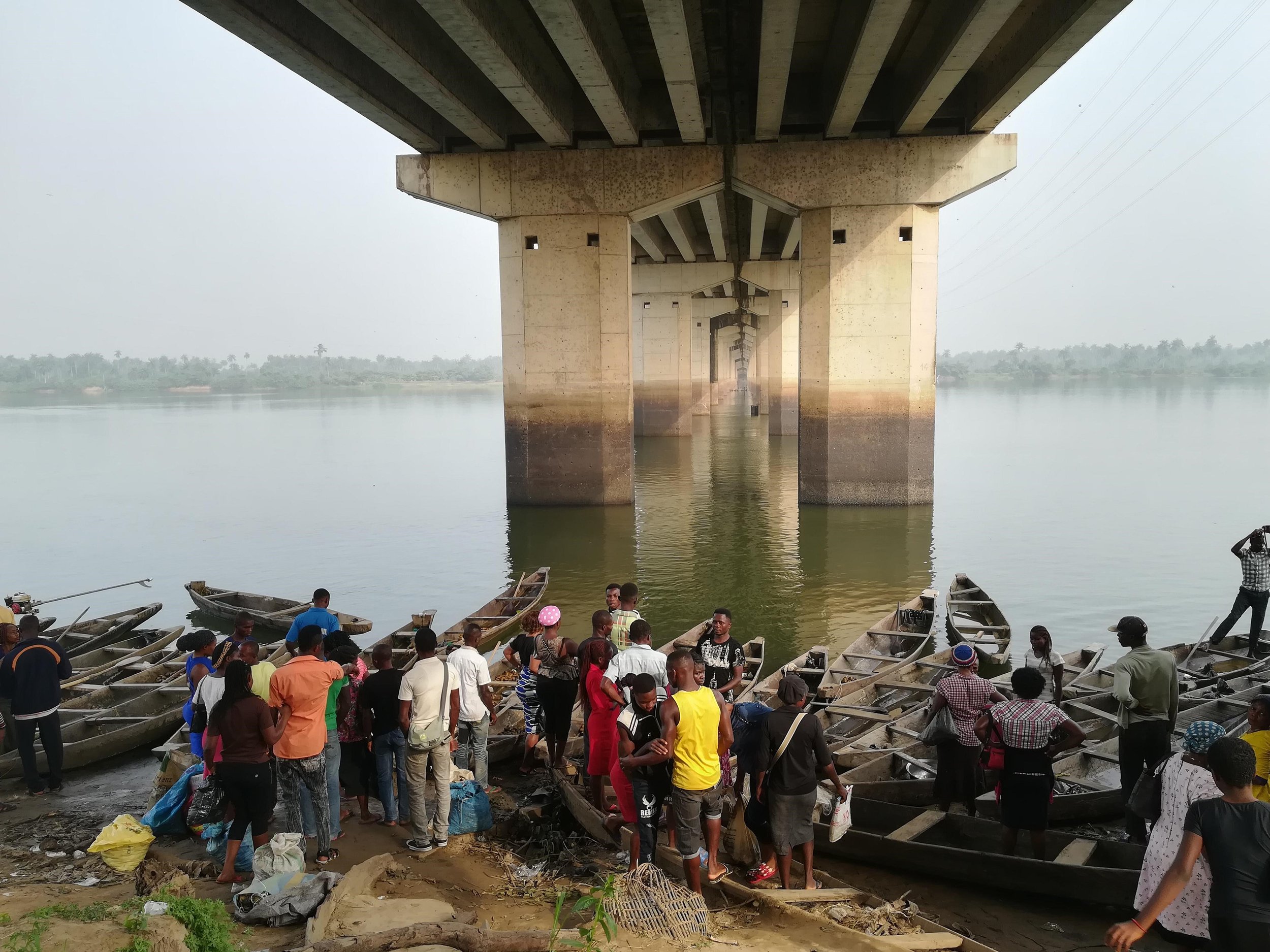
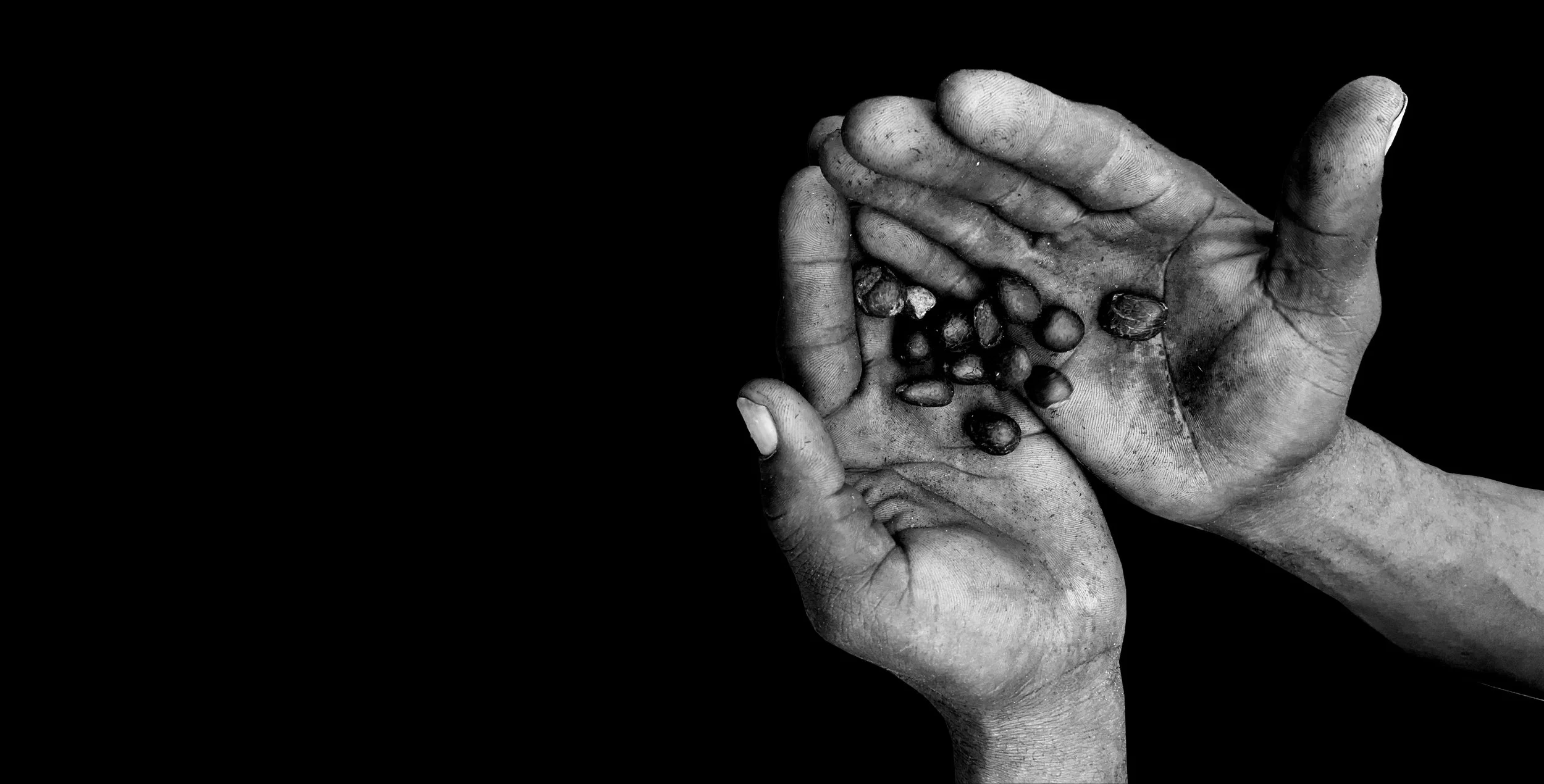
In April 2018, the Carved to Flow Foundation acquired 3,500 square meters of land in Akwa Ibom State, Nigeria. There, on Otobong Nkanga’s ancestral land at the edge of the city of Uyo, the Foundation established itself. Central to its project is the implementation of an organic farm on the acquired land, which contributes to the social and economic life of the territory. Directed by Peter Nkanga, the farm operates on a circular economy model that relies on resource conservation, recycling and minimal waste, and that also seeks to preserve local crafts and knowledge. Thanks to the Foundation, additional donors and its own proceeds, the farm has grown sustainably through further land acquisitions and now extends over thousands of hectares.
Sustainable agriculture
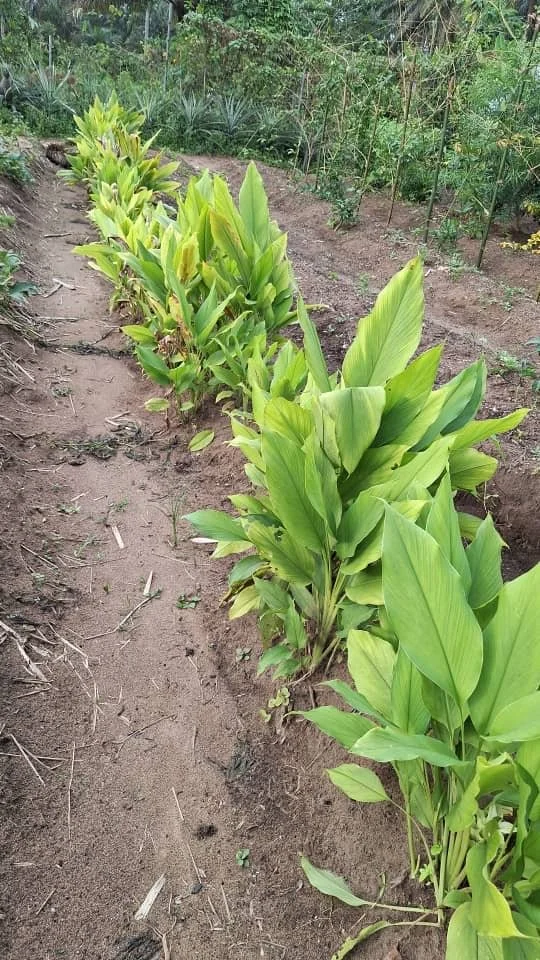
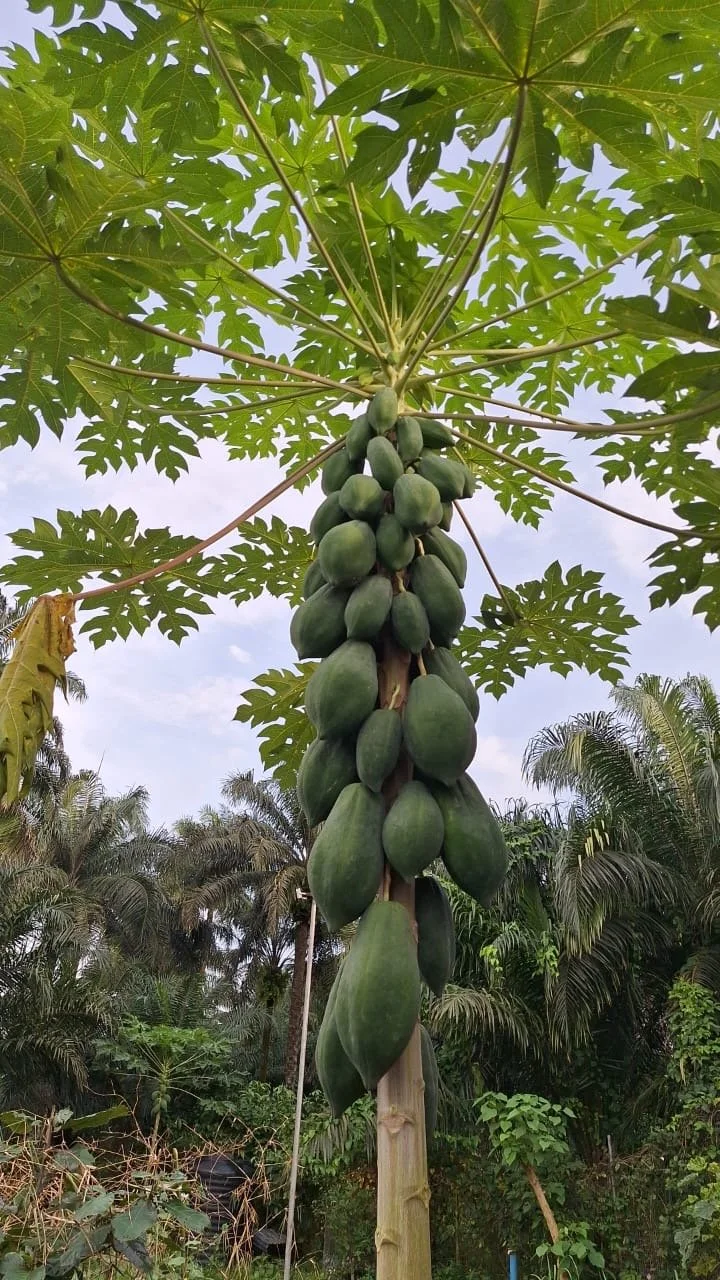
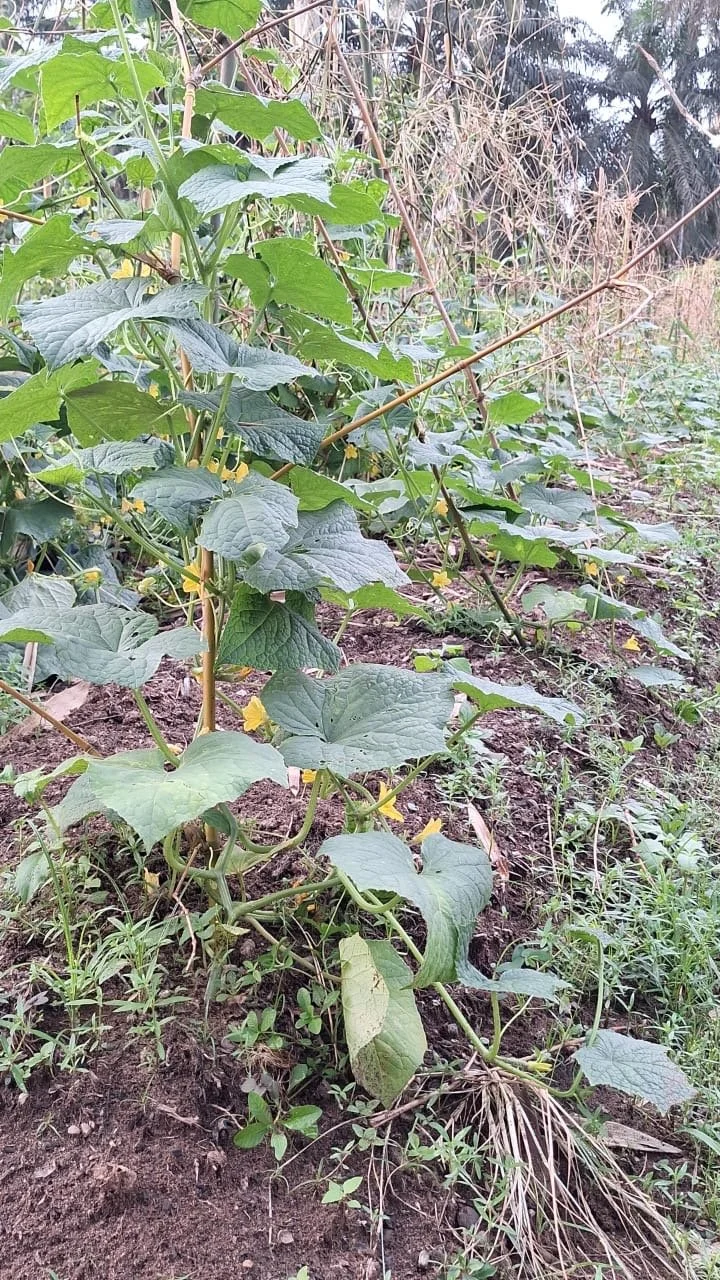
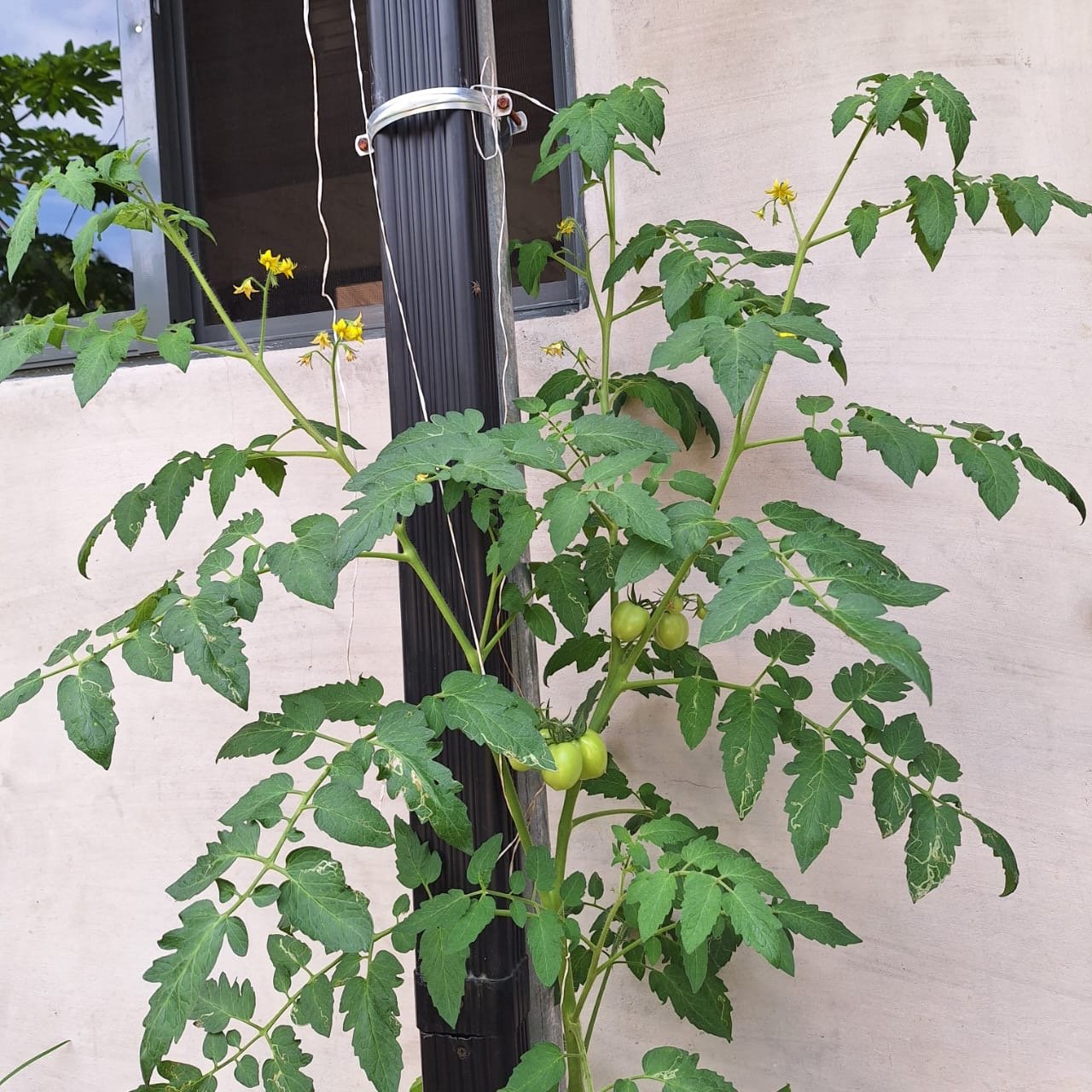
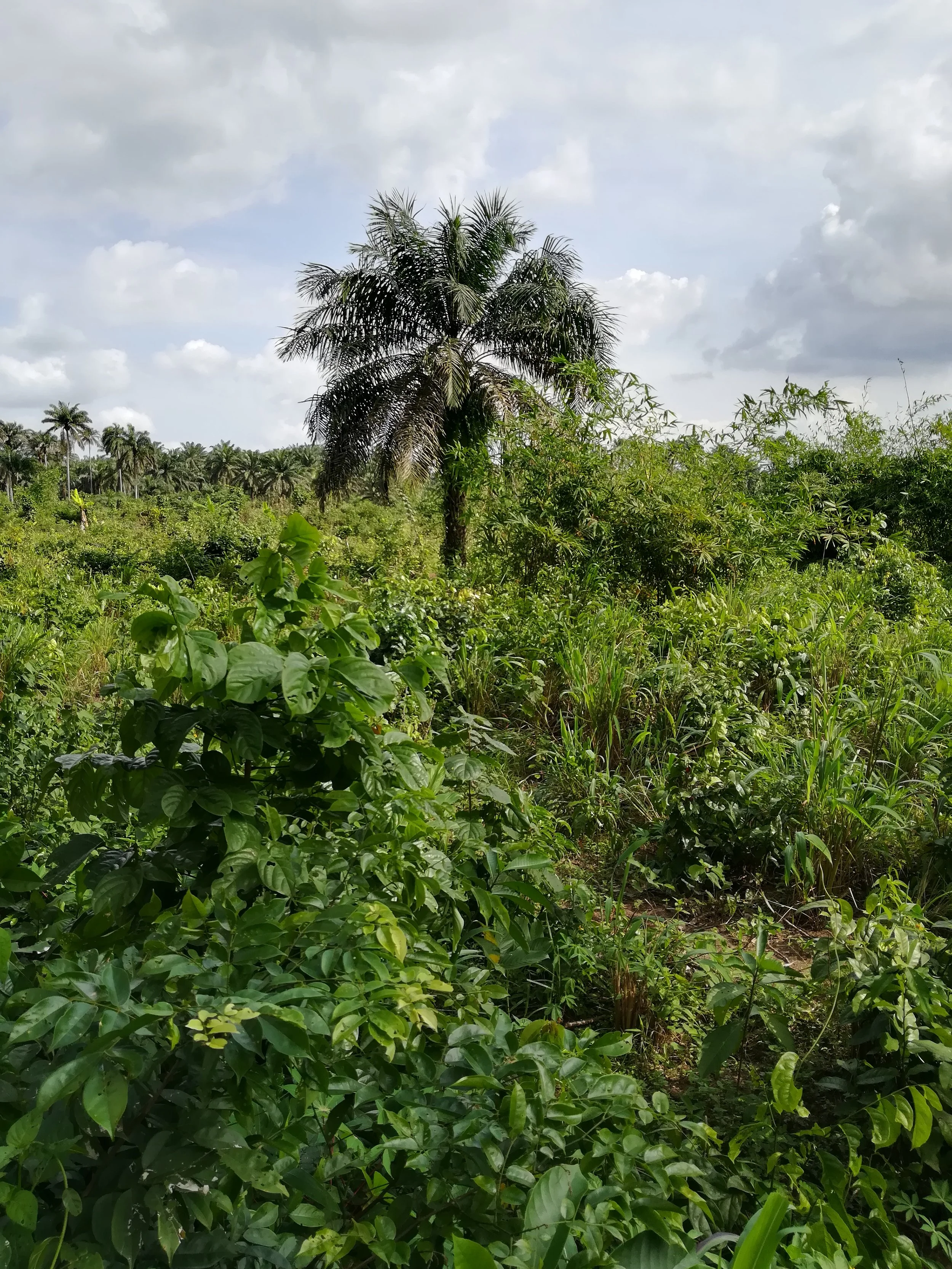
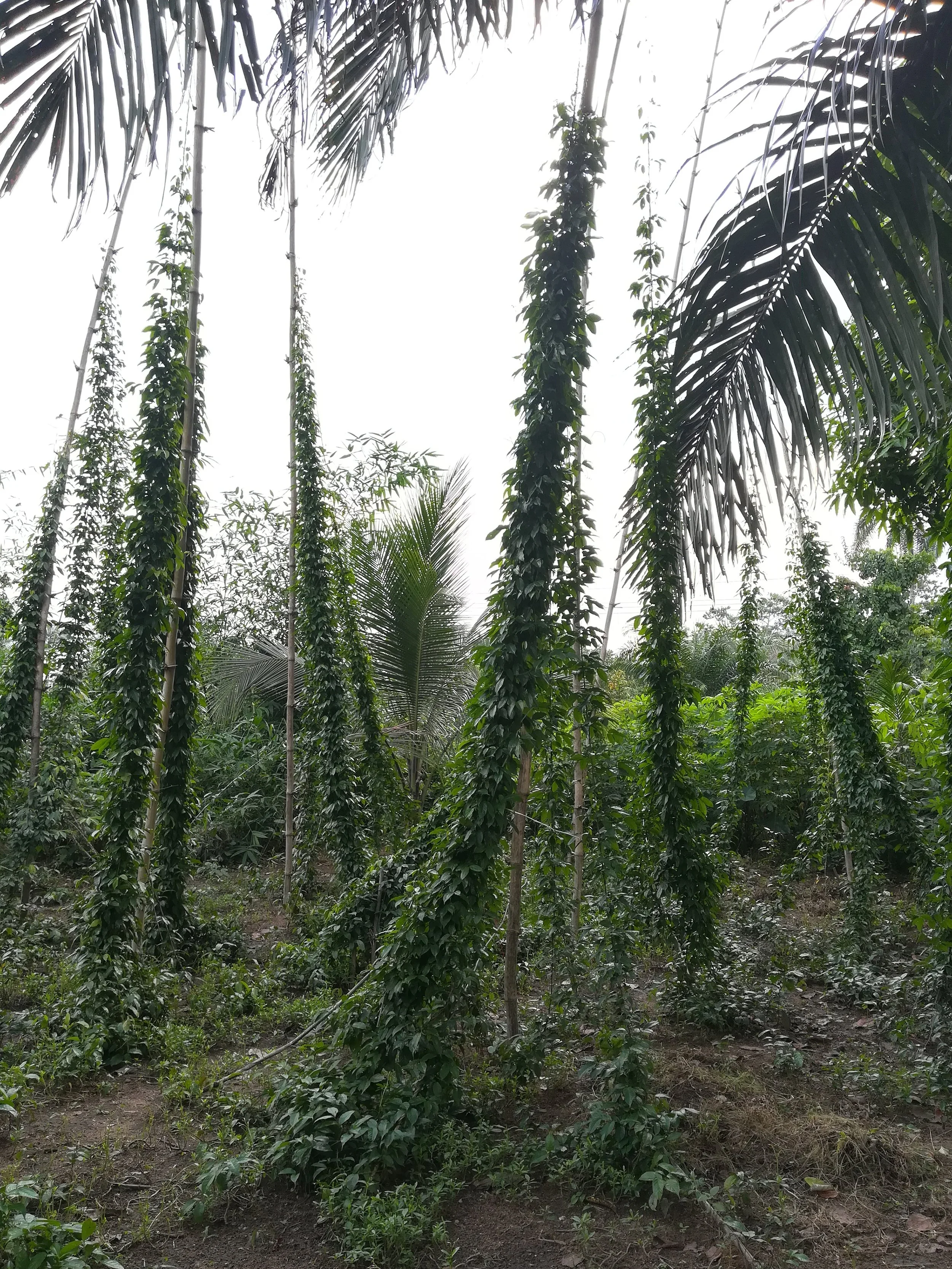
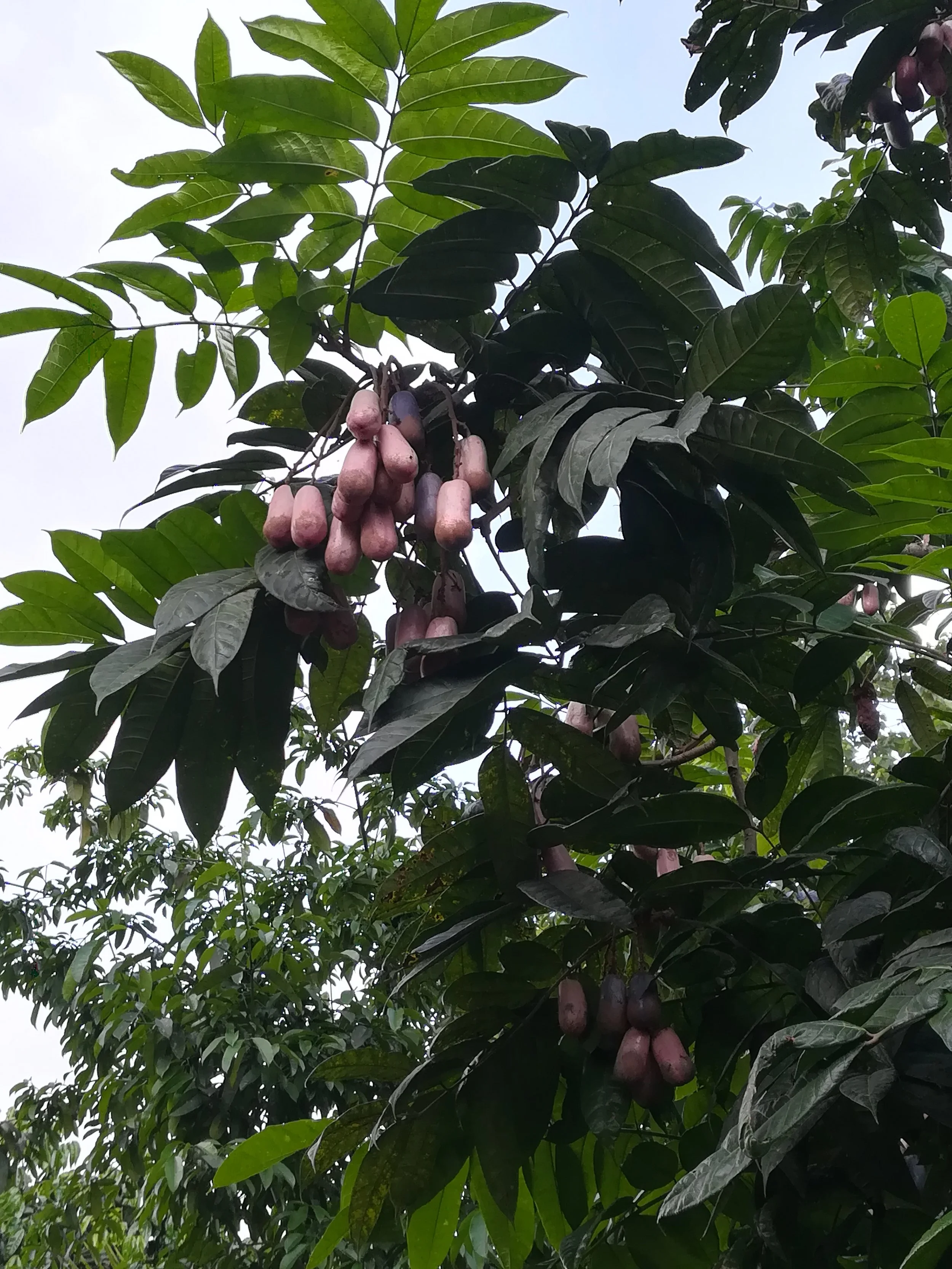
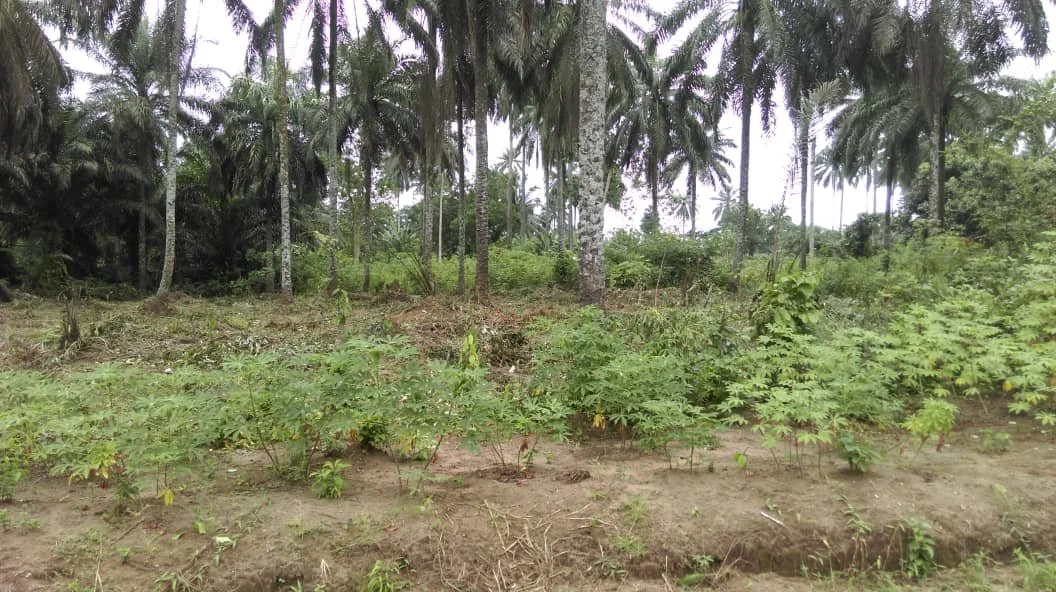
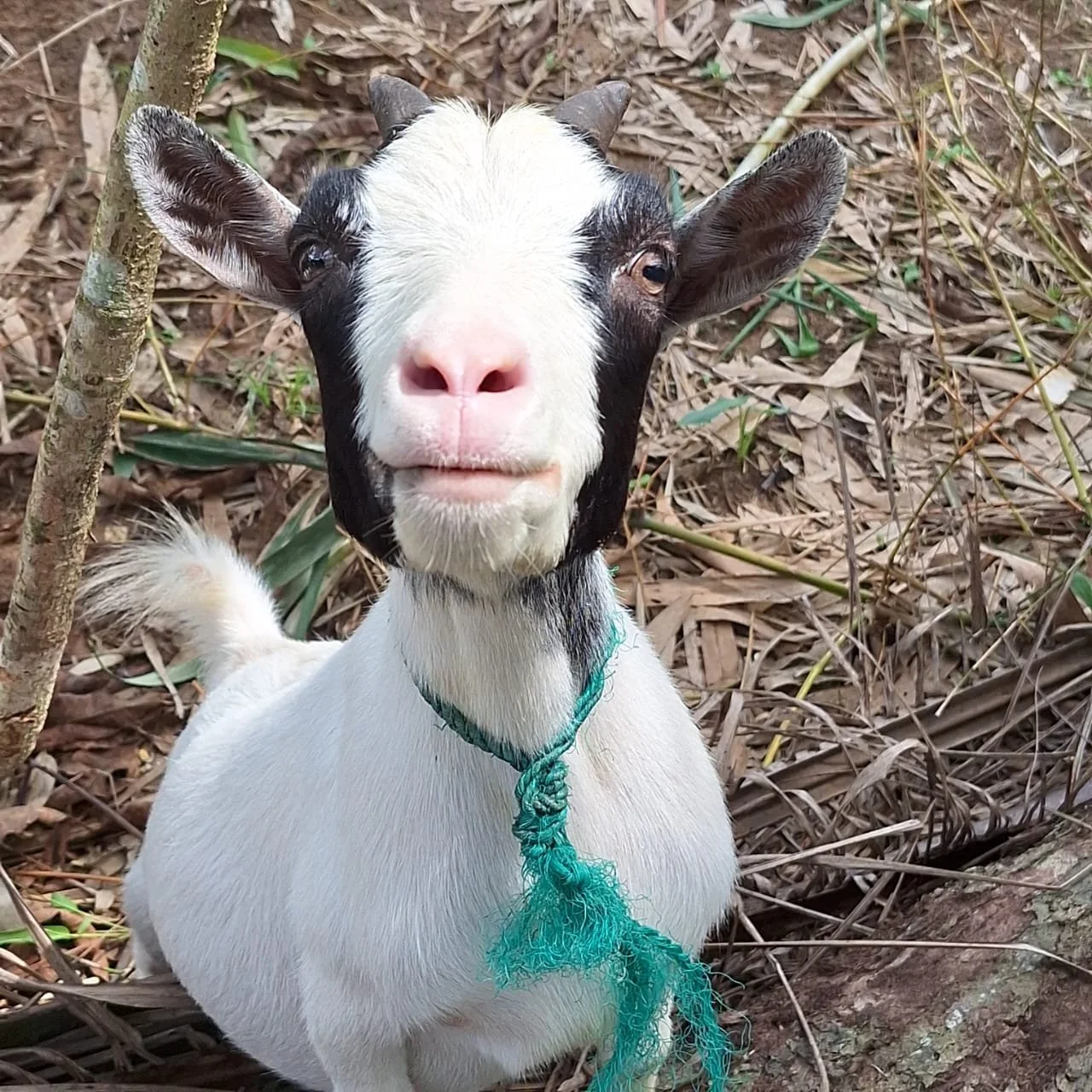
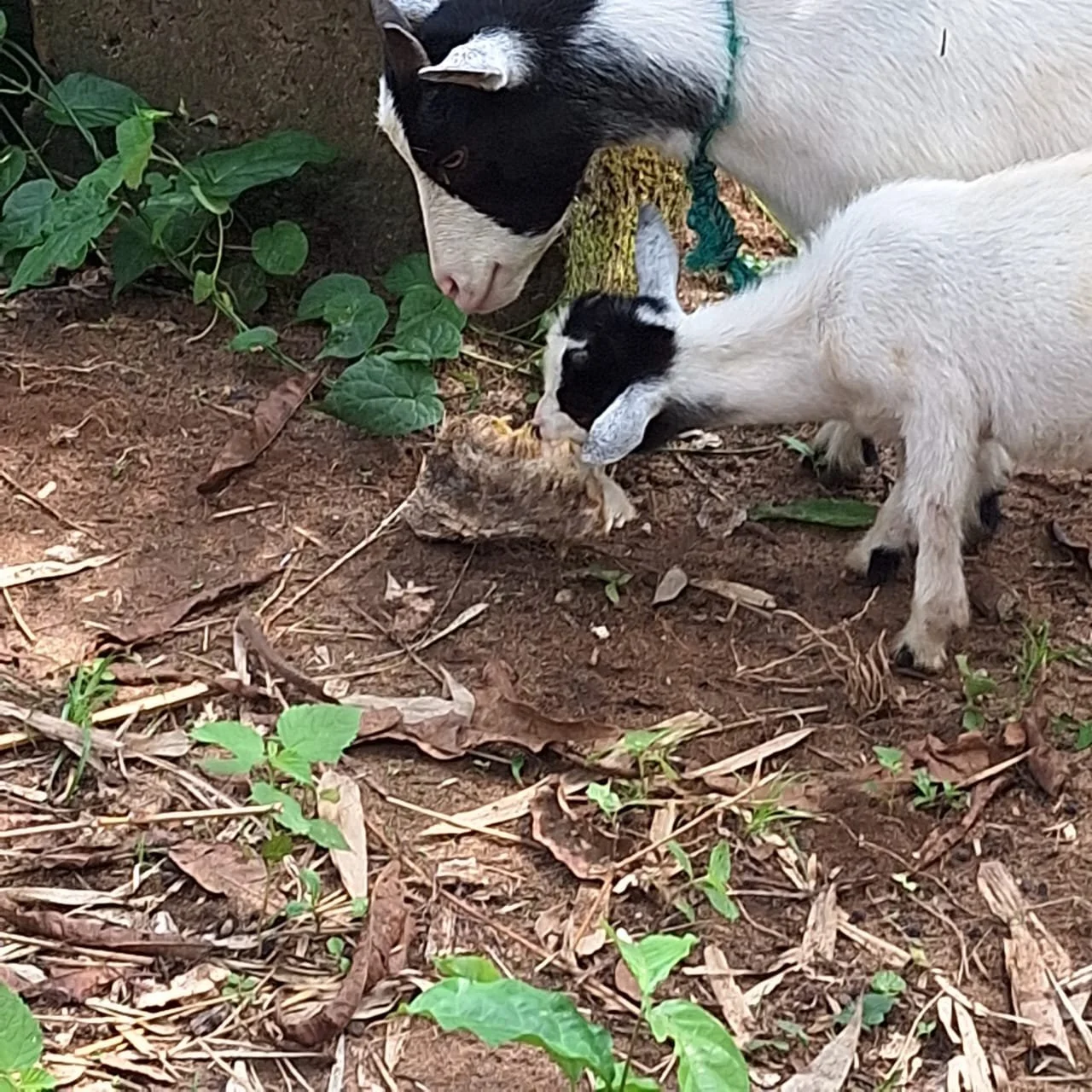
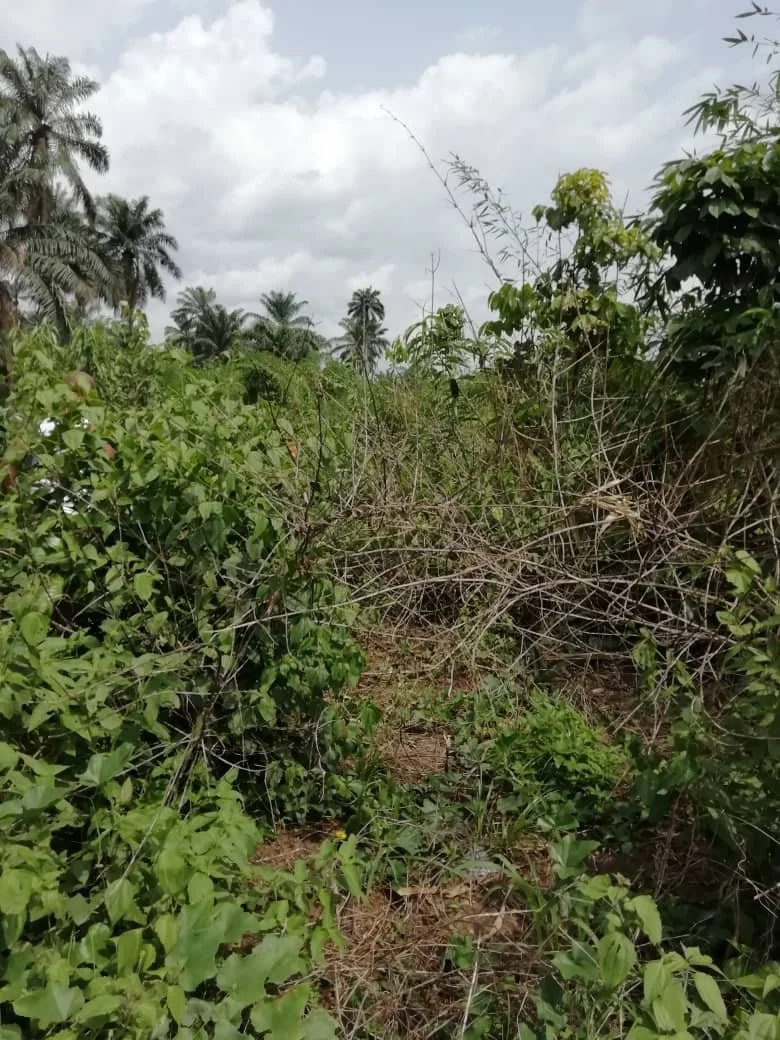
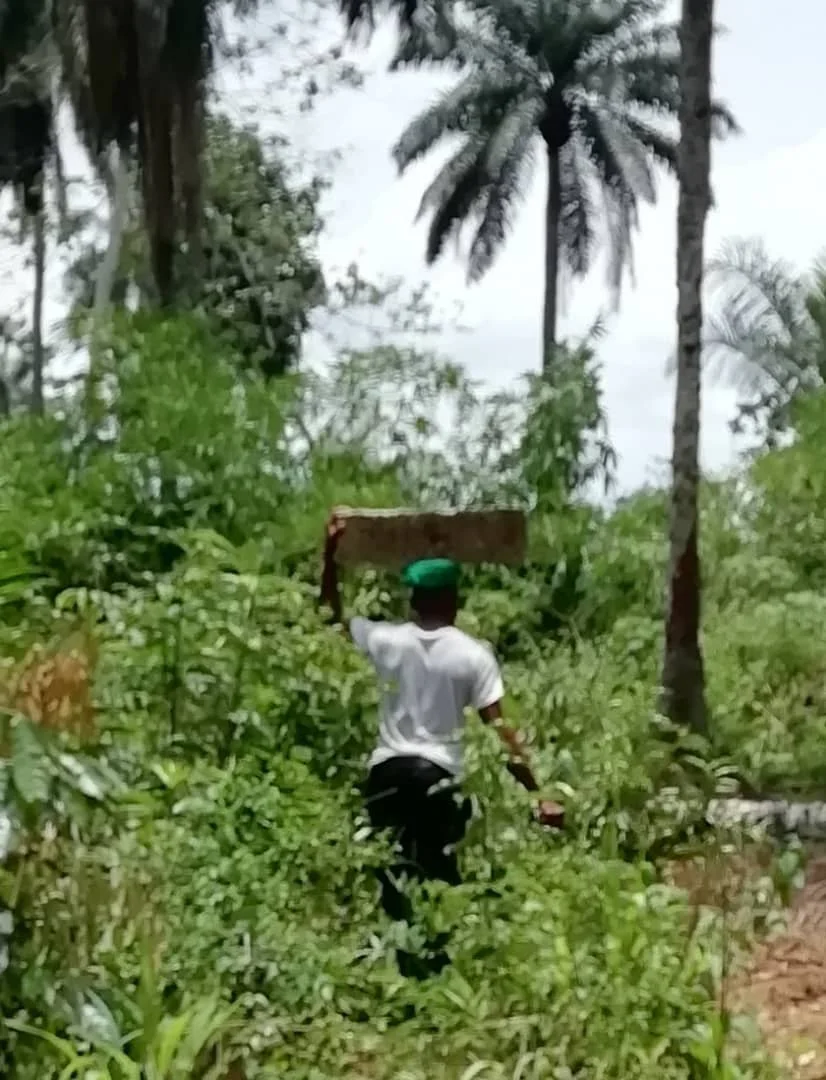
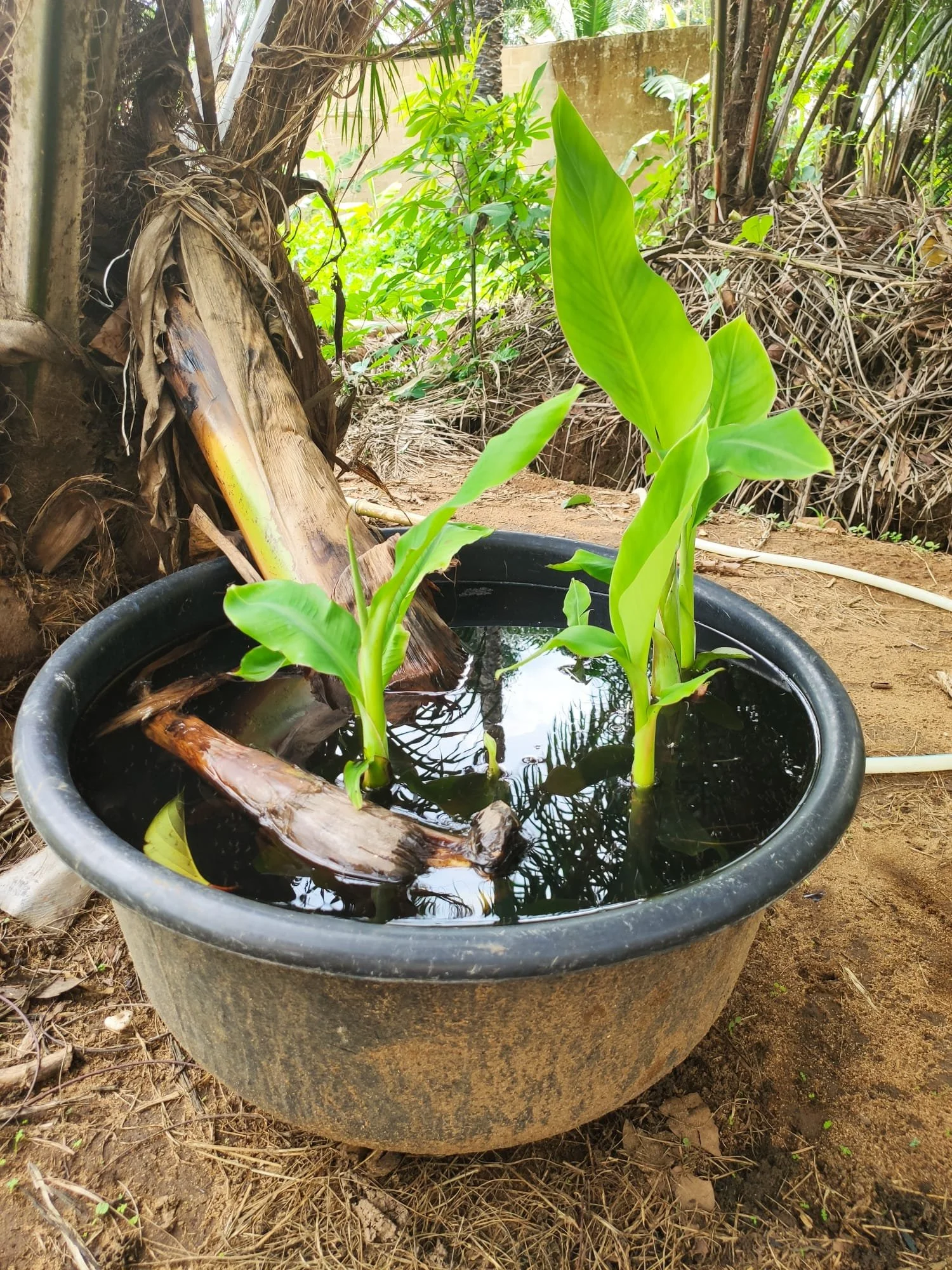
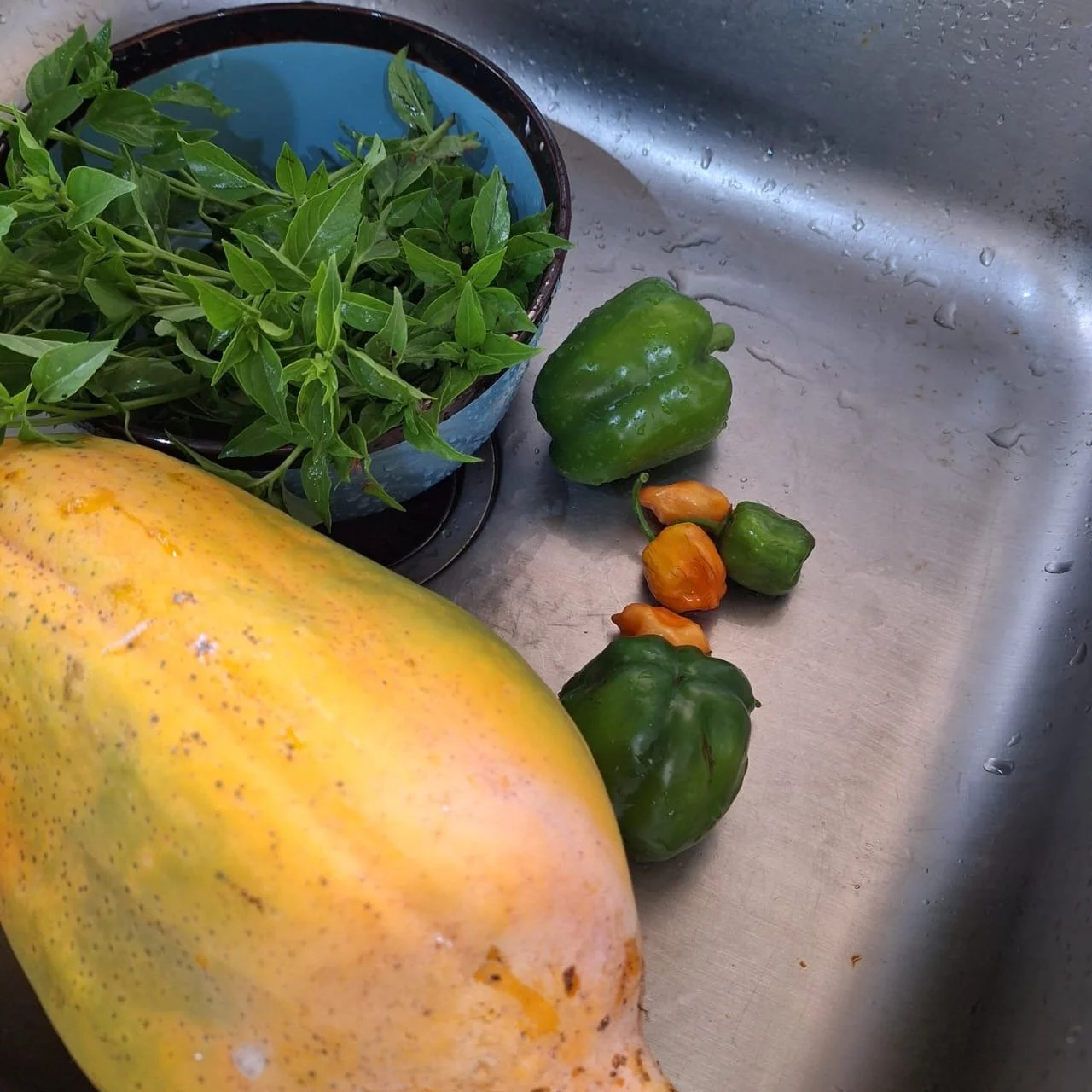
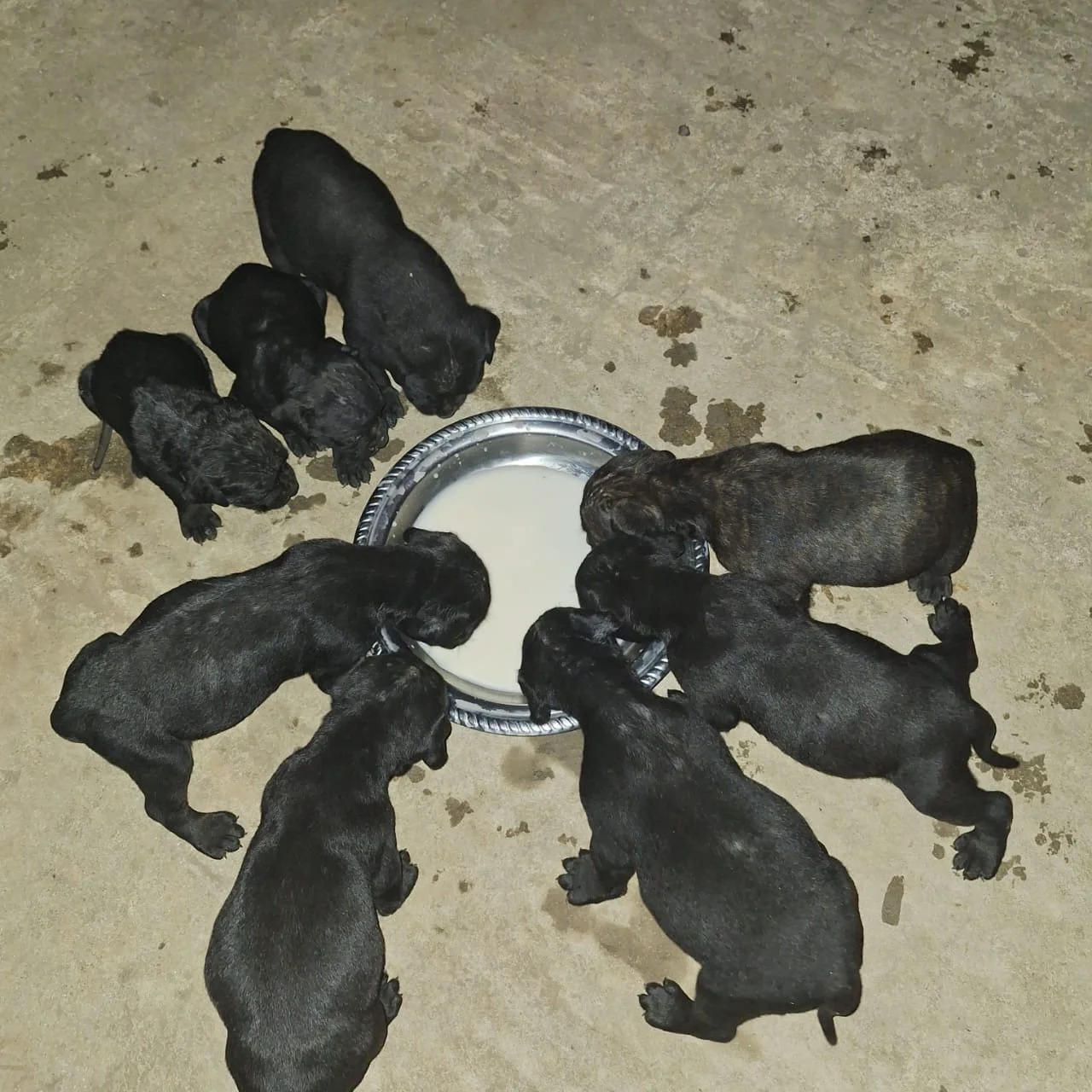
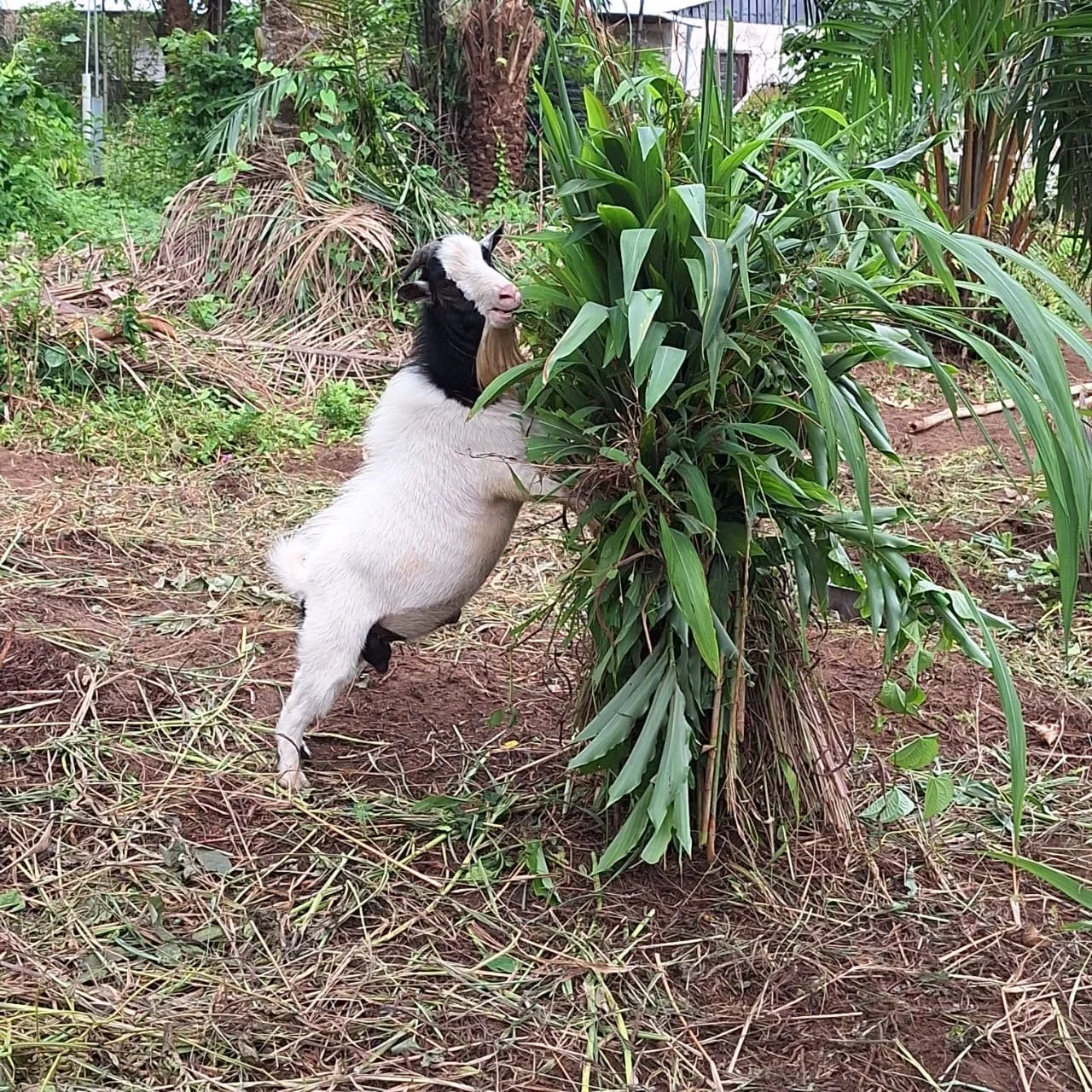
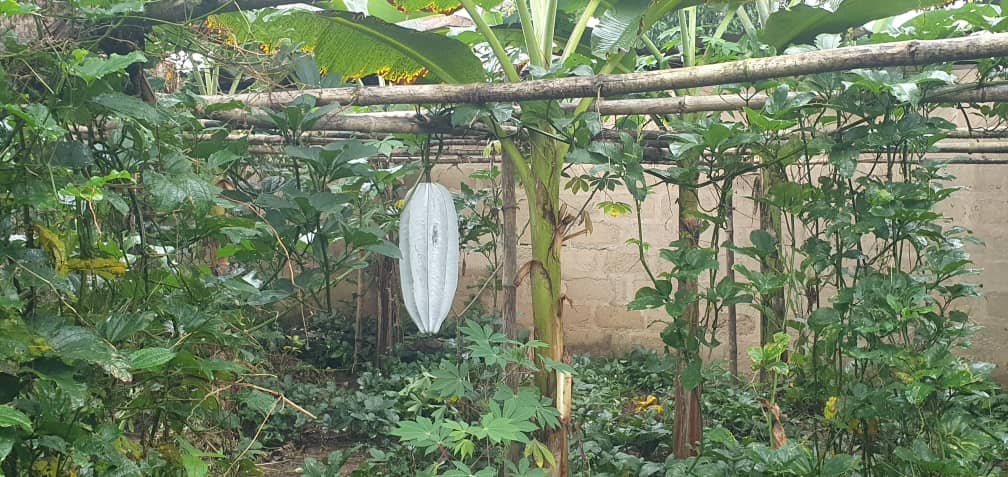
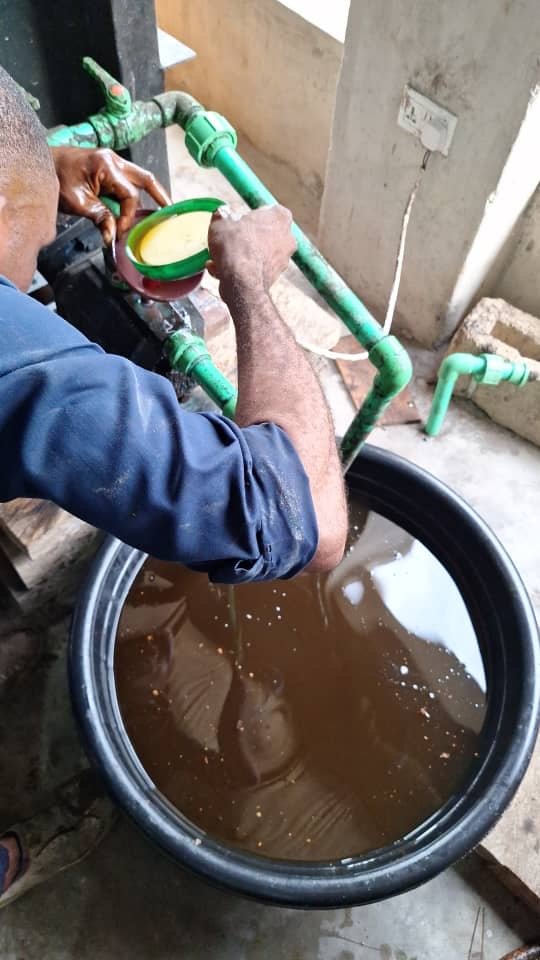
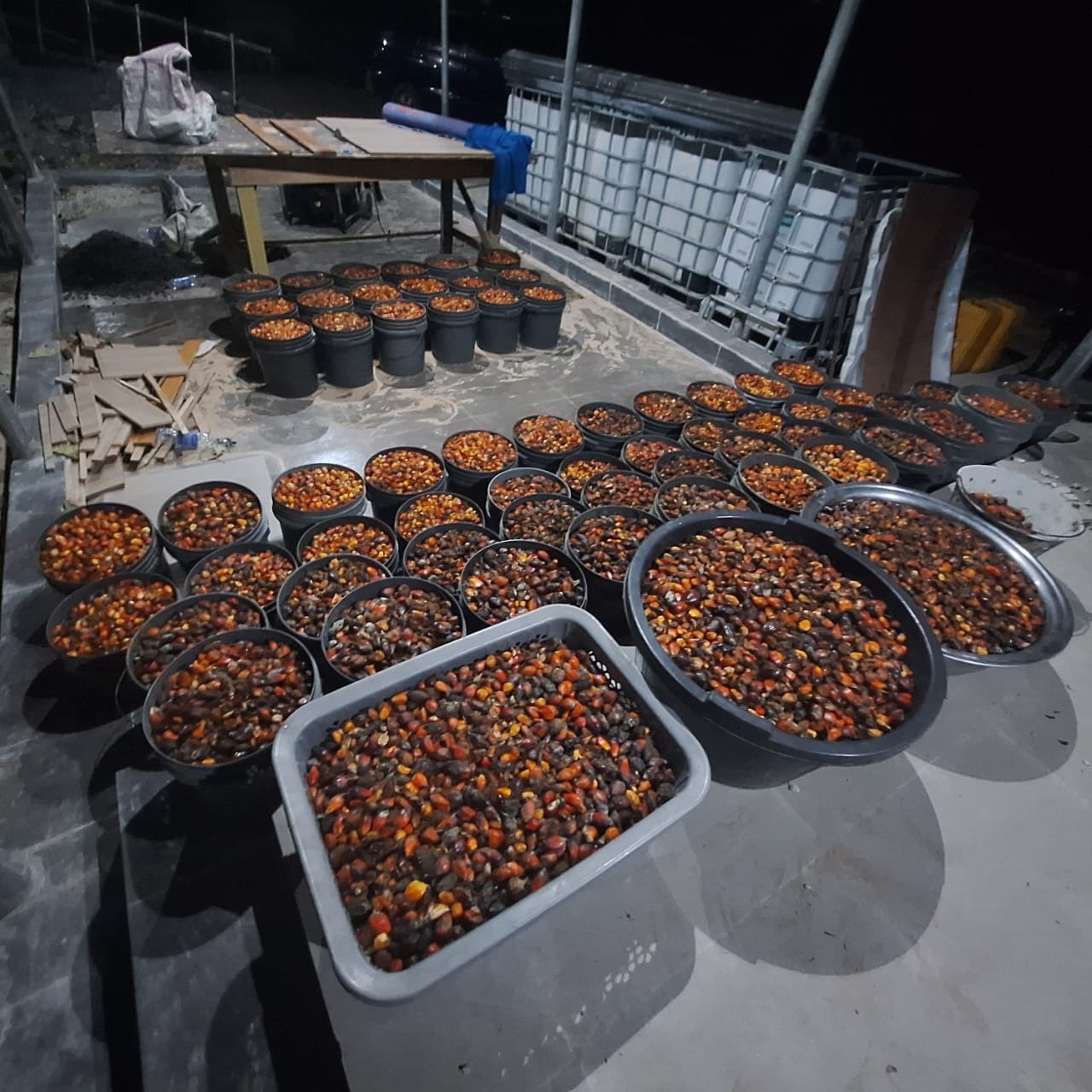
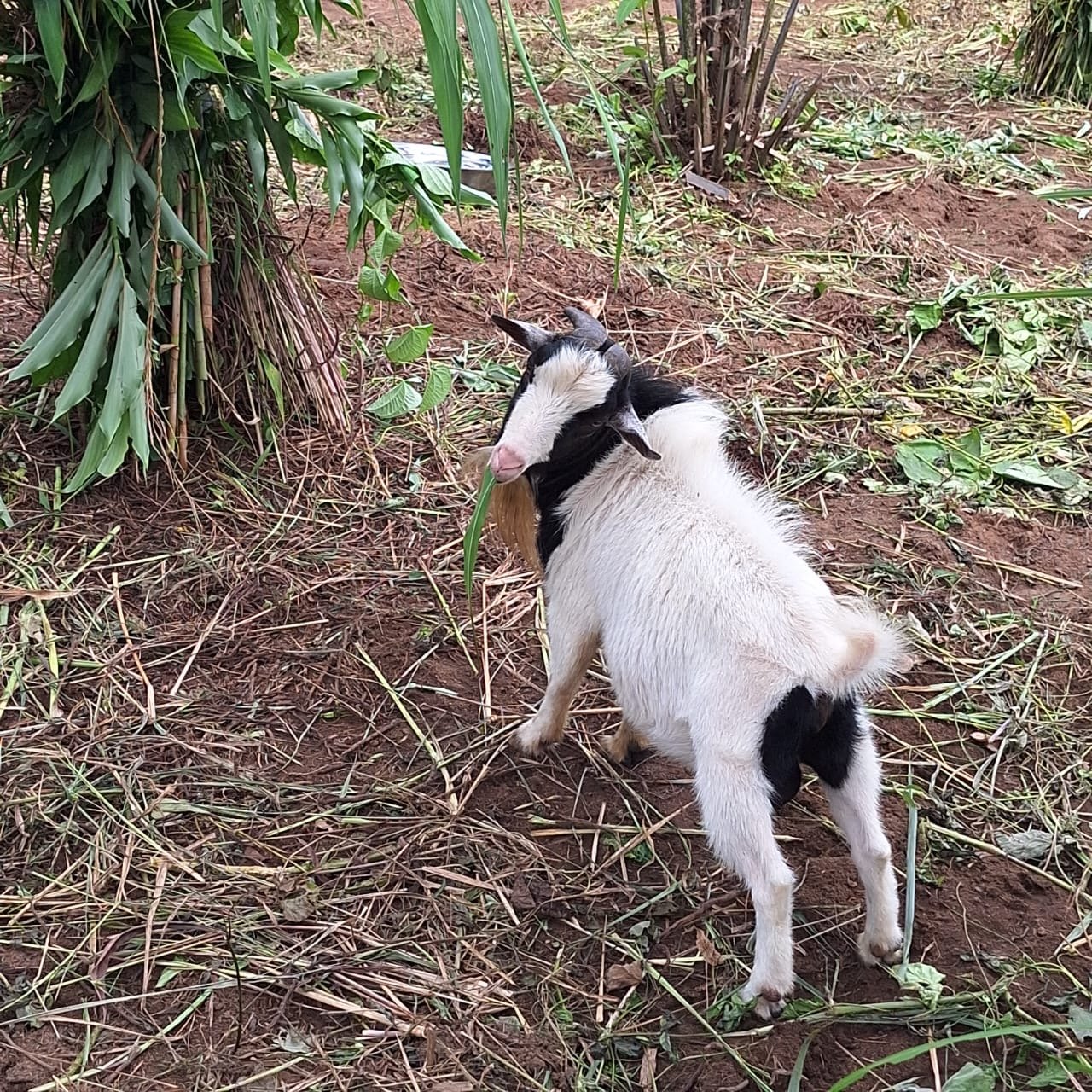
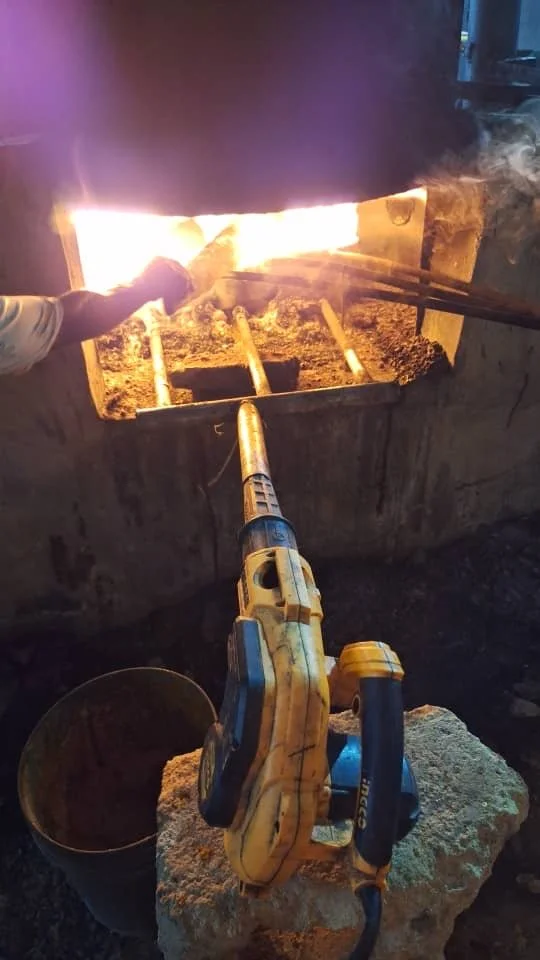
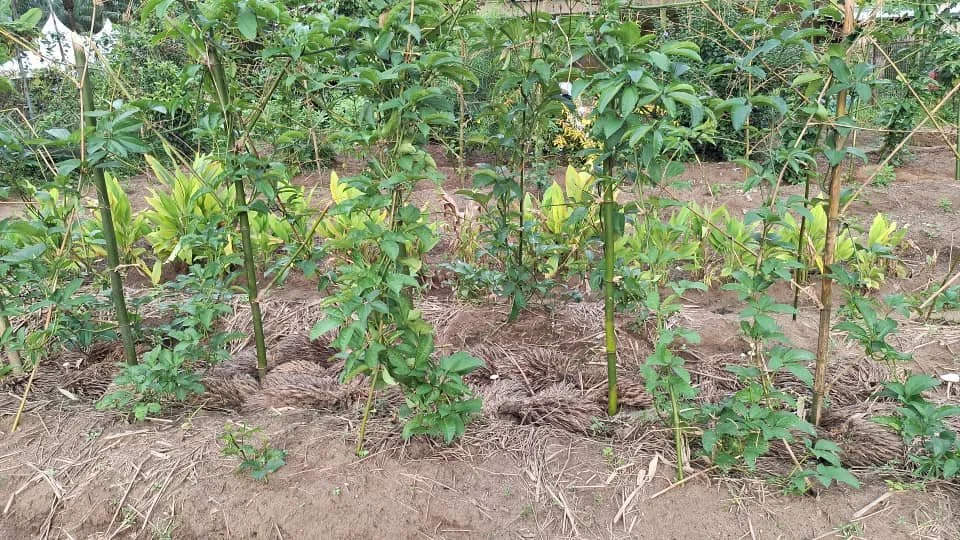
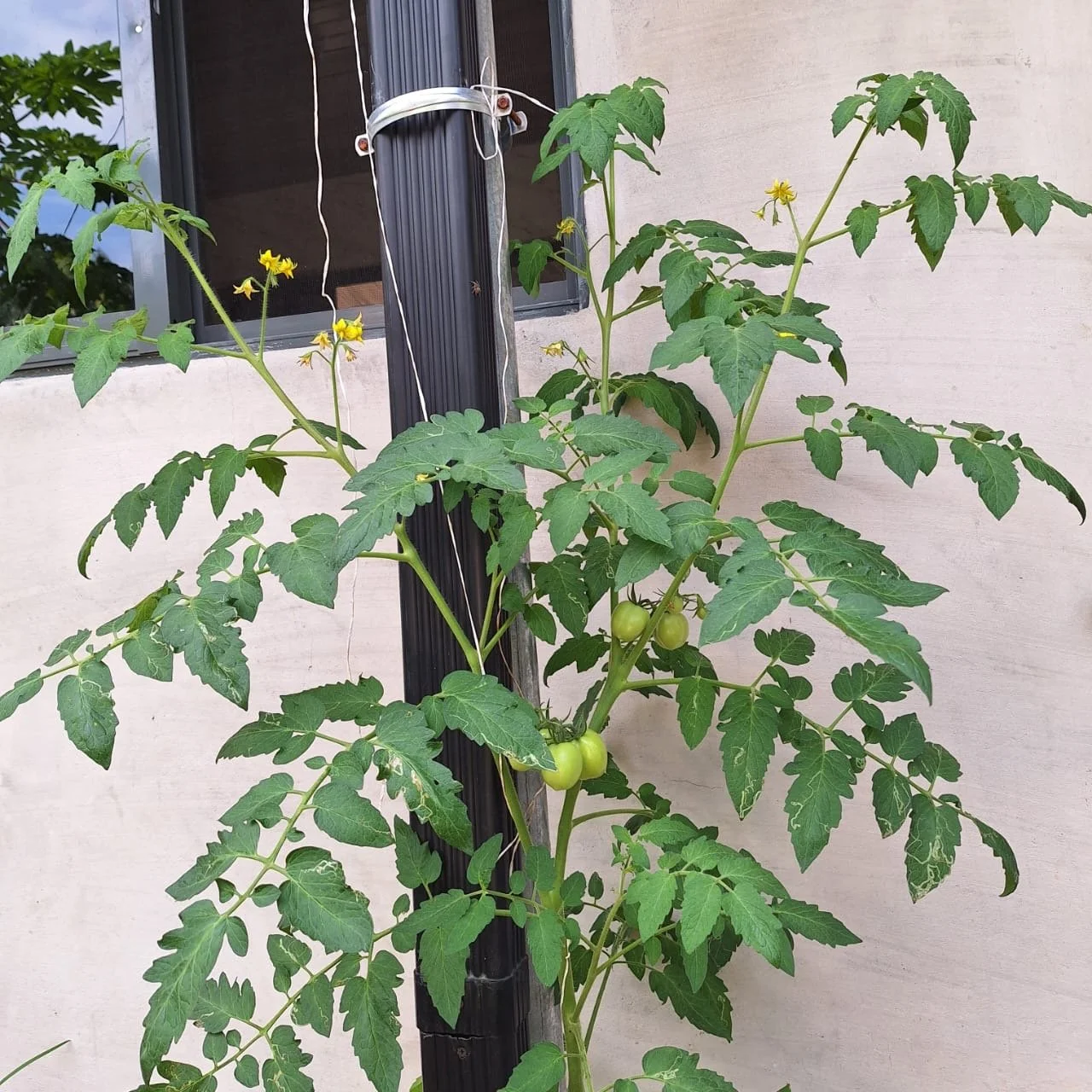
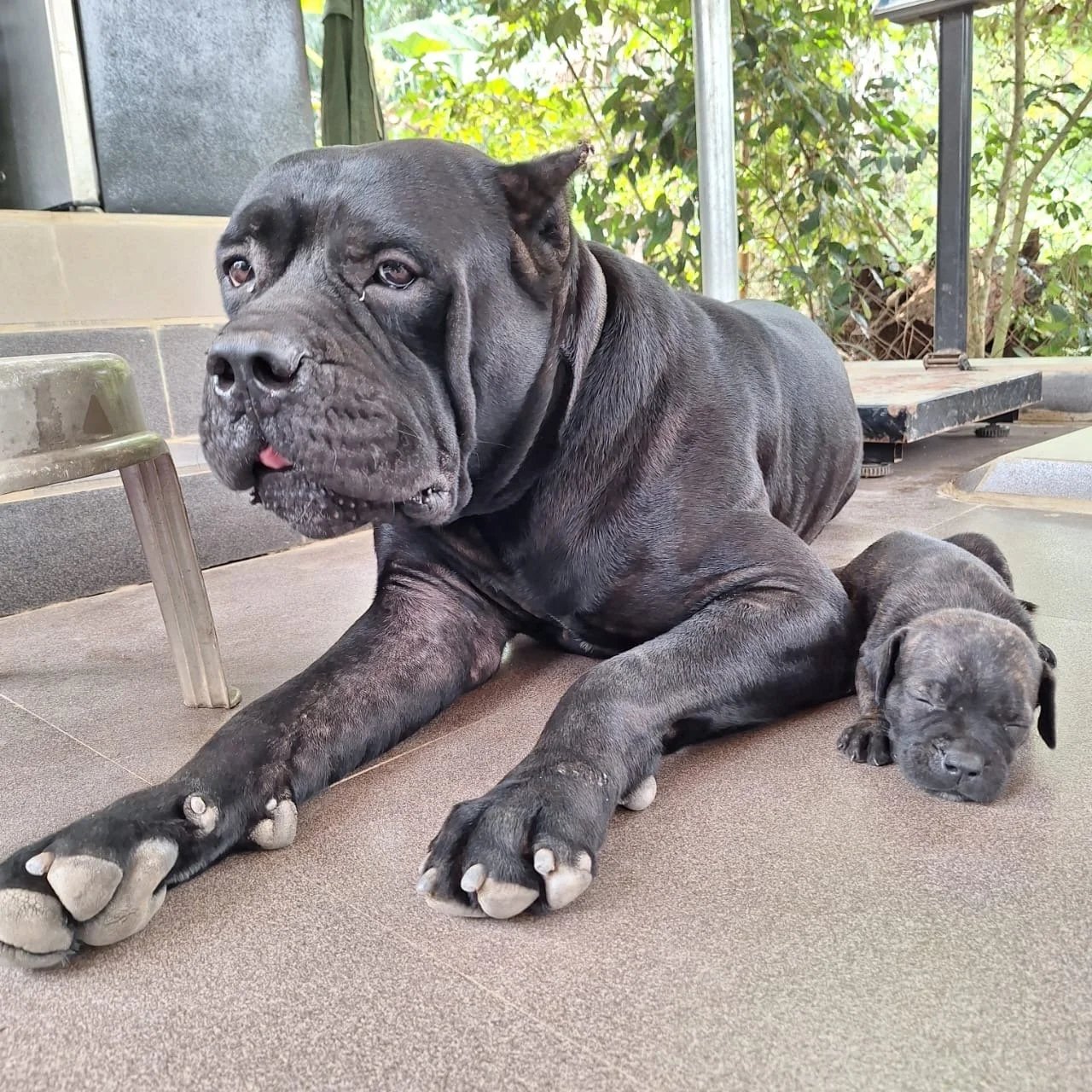
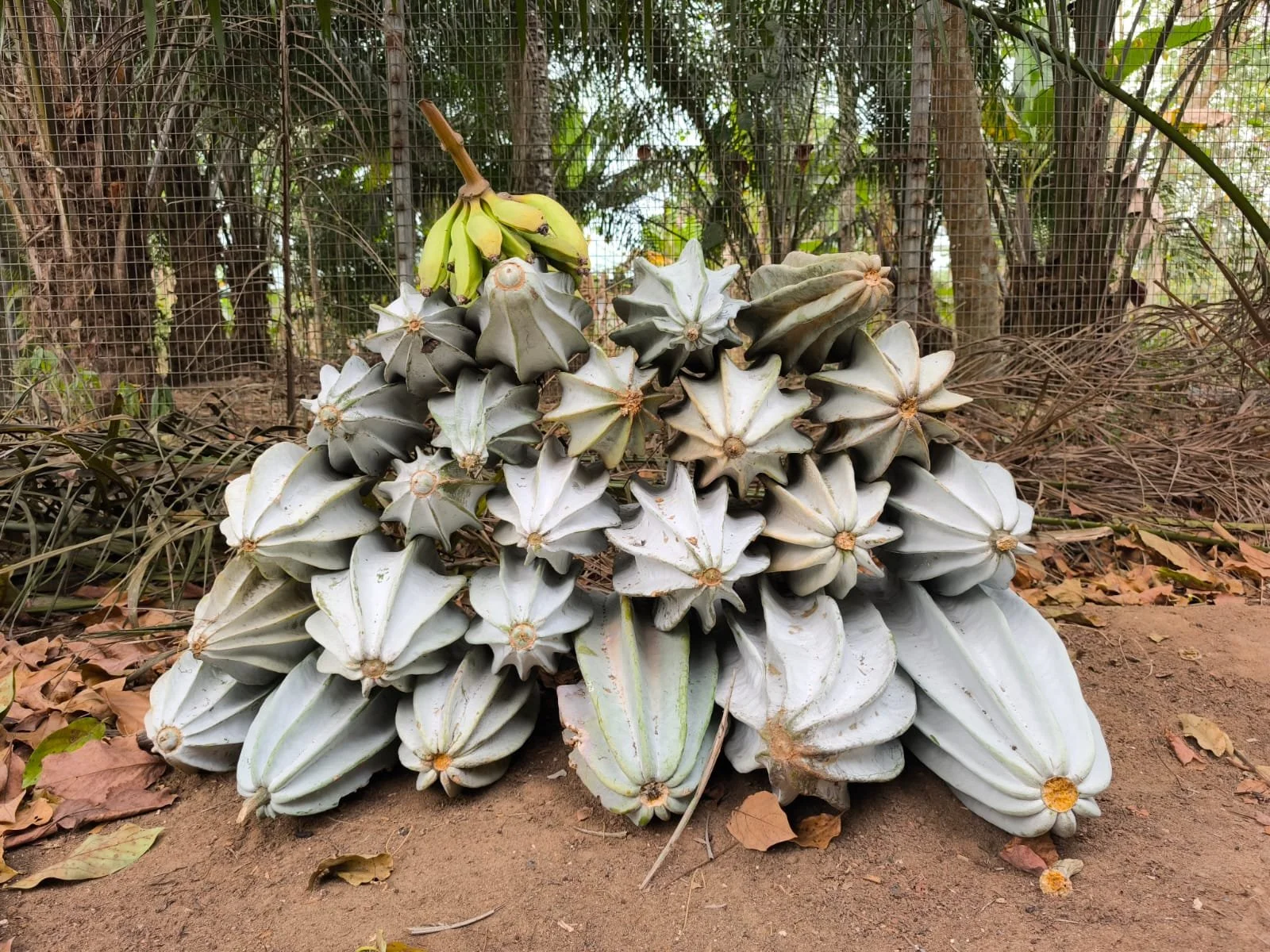
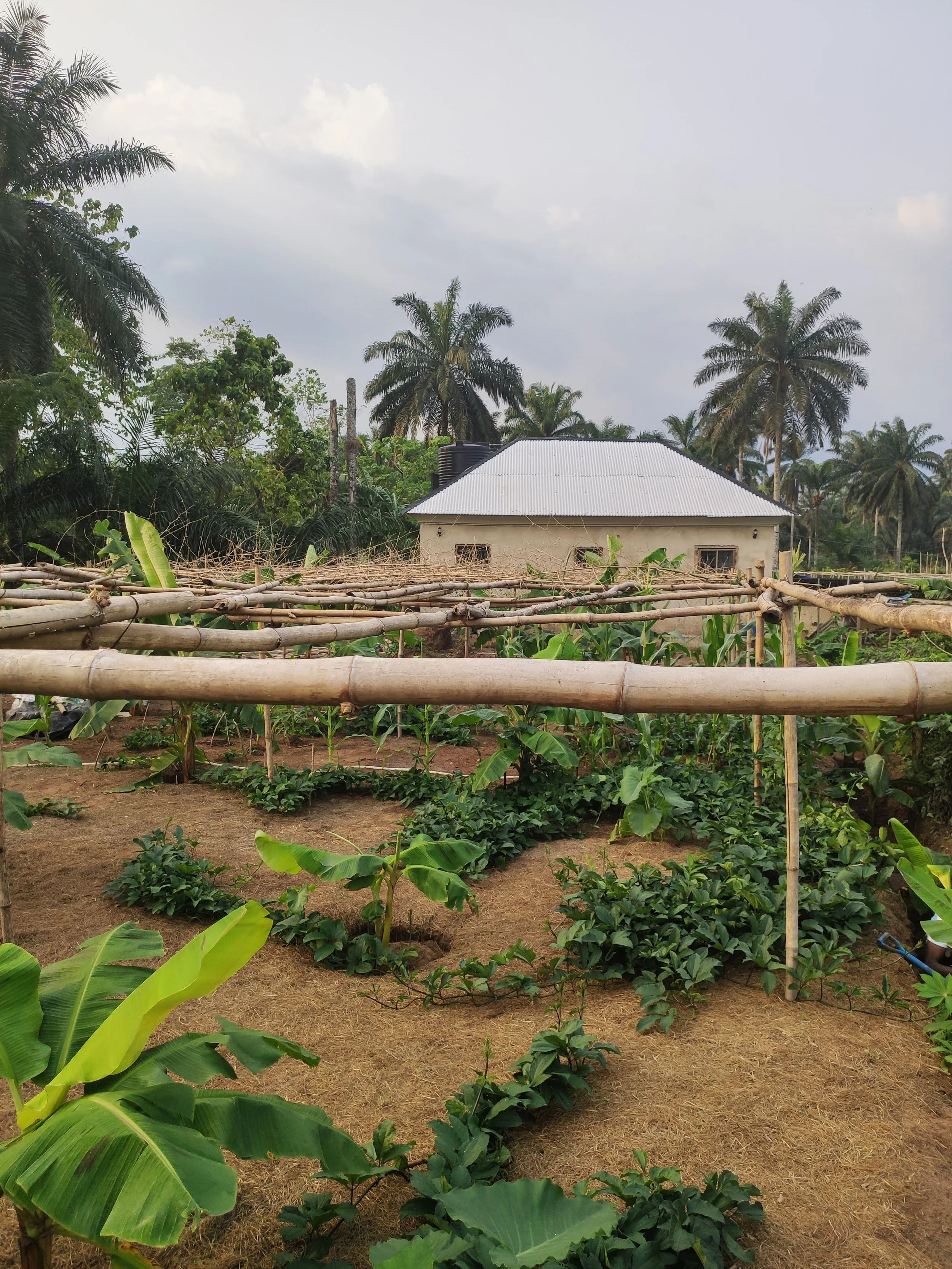
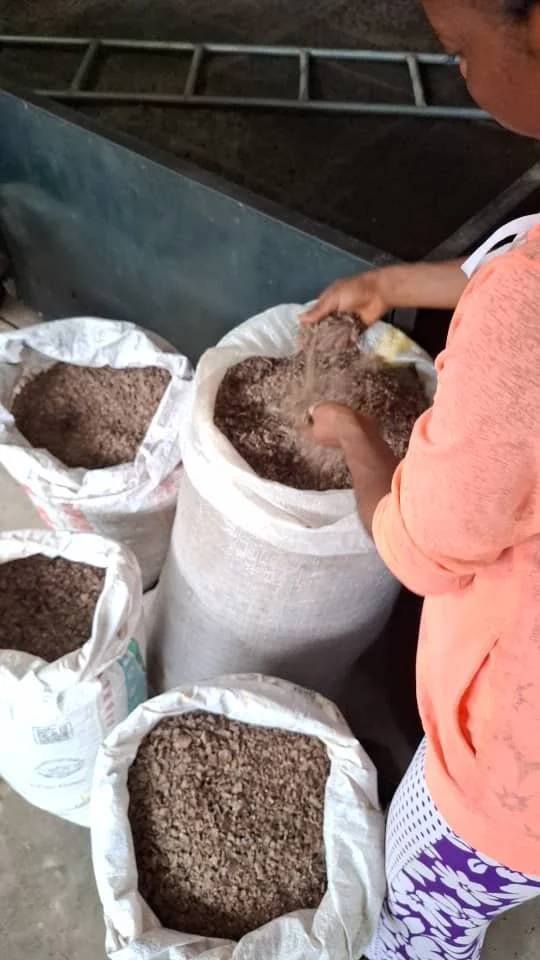
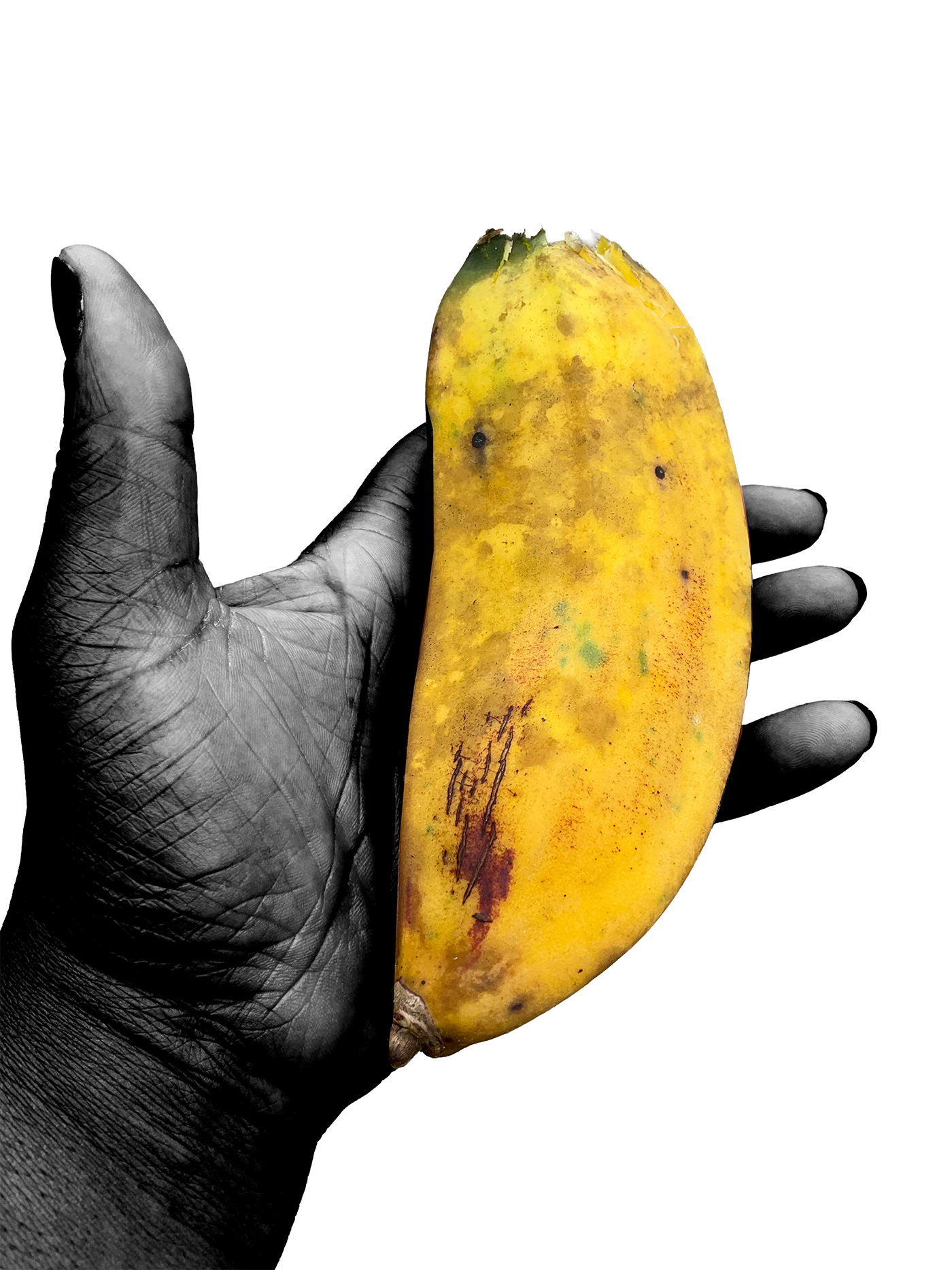
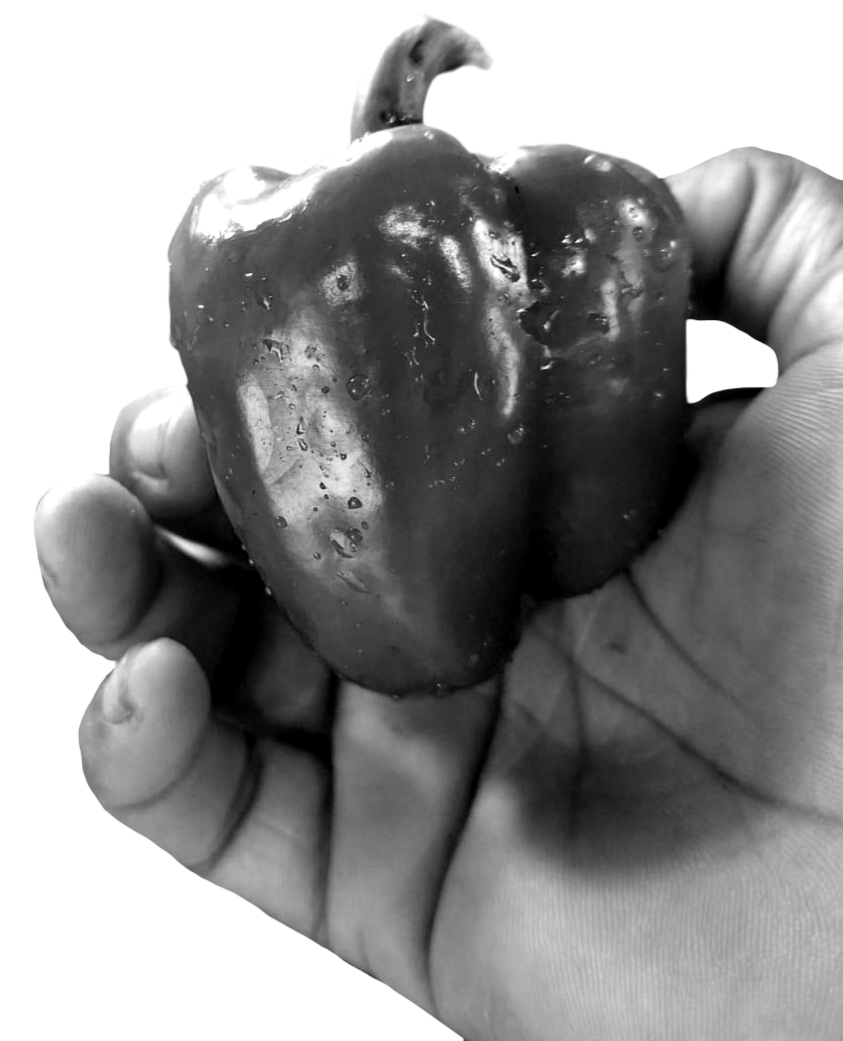
Akwa Ibom State has a humid equatorial climate. From mangroves and swamp forest along the coast, vegetation thrives there and transitions to tropical rainforest inland, where the farm is located. The oil palm is ubiquitous there and is one of the farm’s most important crops, where it serves as a zero-waste resource: every part, every scrap, is reused. Papayas, pineapples, bananas, plantains, chili peppers, tomatoes, beans, pumpkins, cassava, and mushrooms are among the many other crops grown on site. While much of the agriculture in Nigeria relies on fertilizers and chemicals, the farm draws on ancestral practices and uses biochar, a technique by which farmers have been enriching their soil with charcoal for centuries. Most recently animals, including goats, sheep, and chickens have joined the farm’s residents.
THE FARM
ROOTED IN LOCAL LIFE
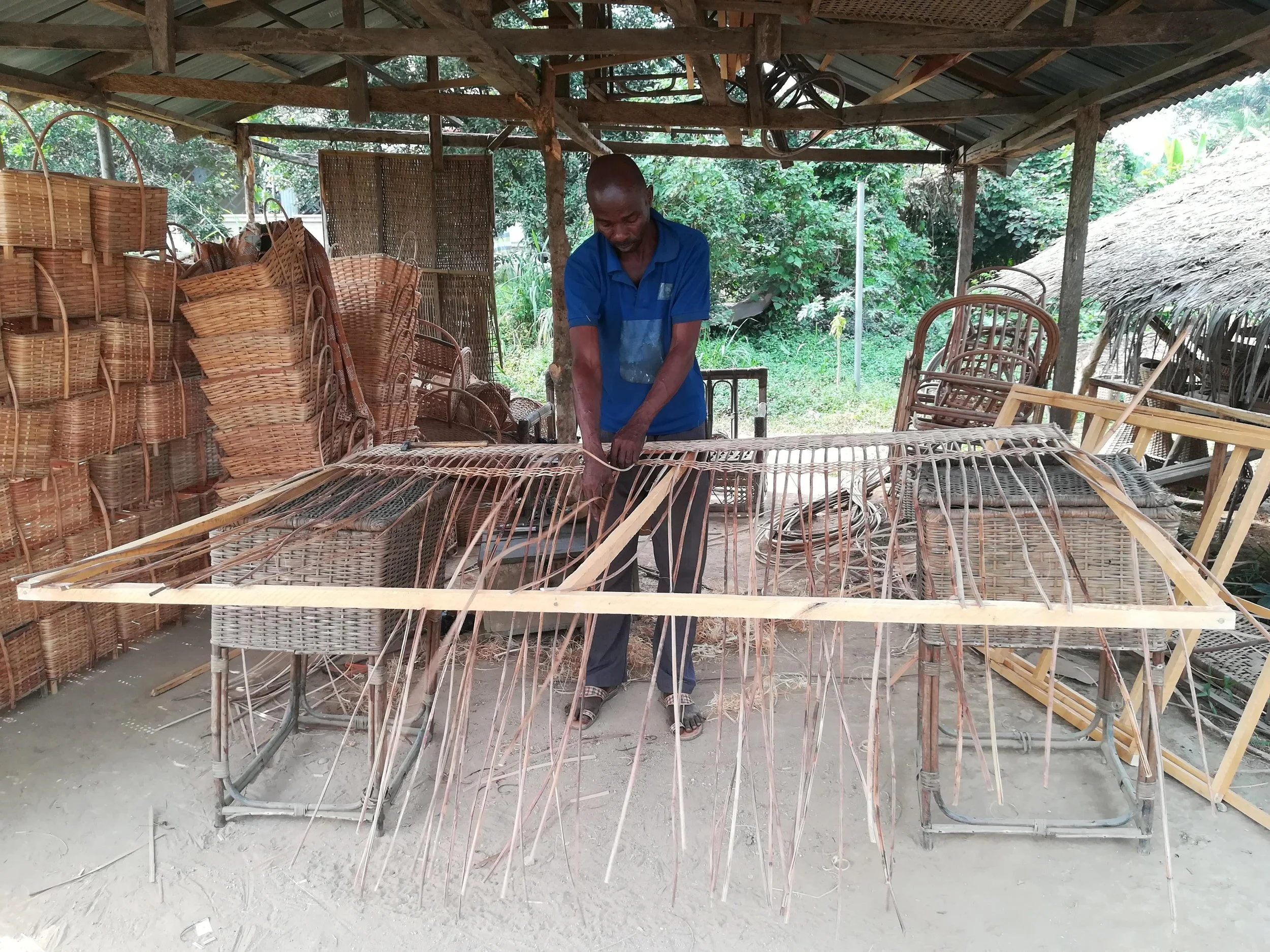
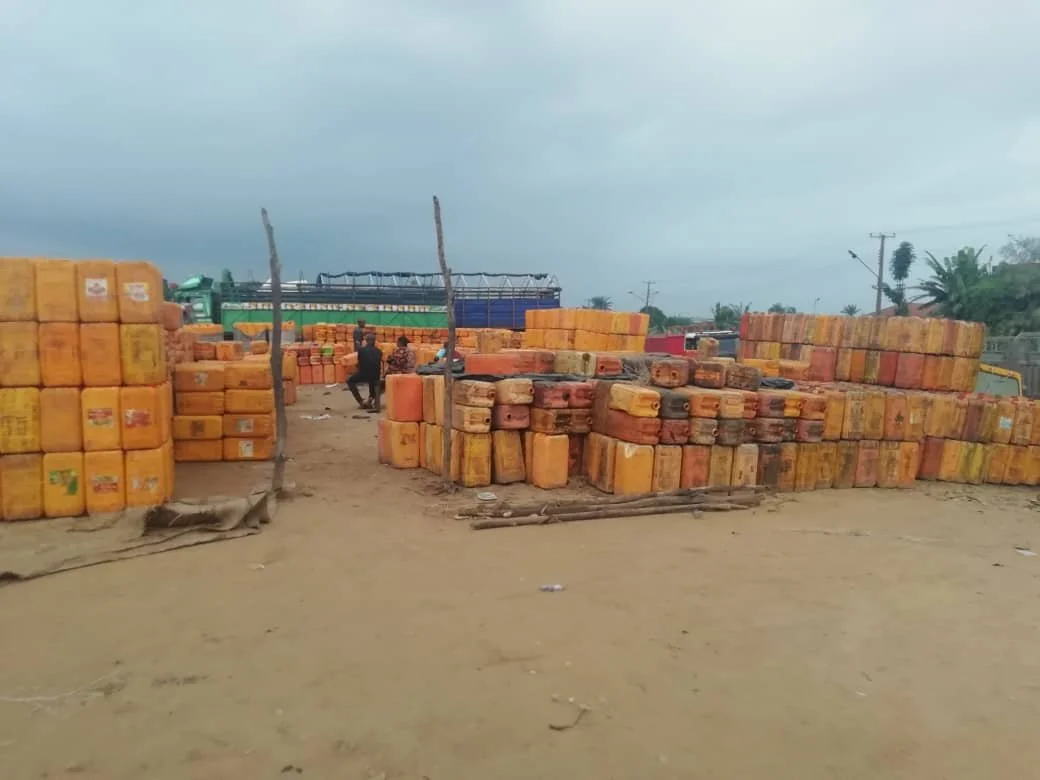
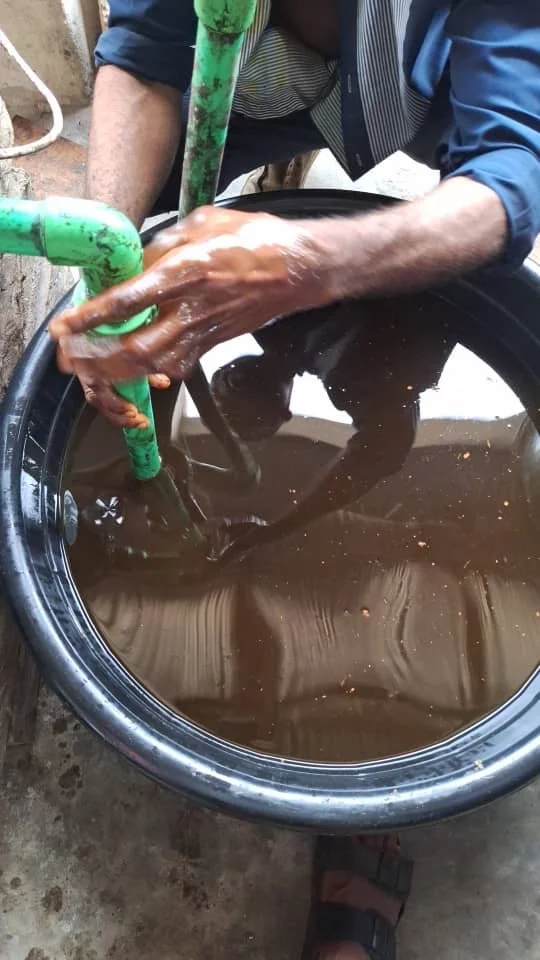
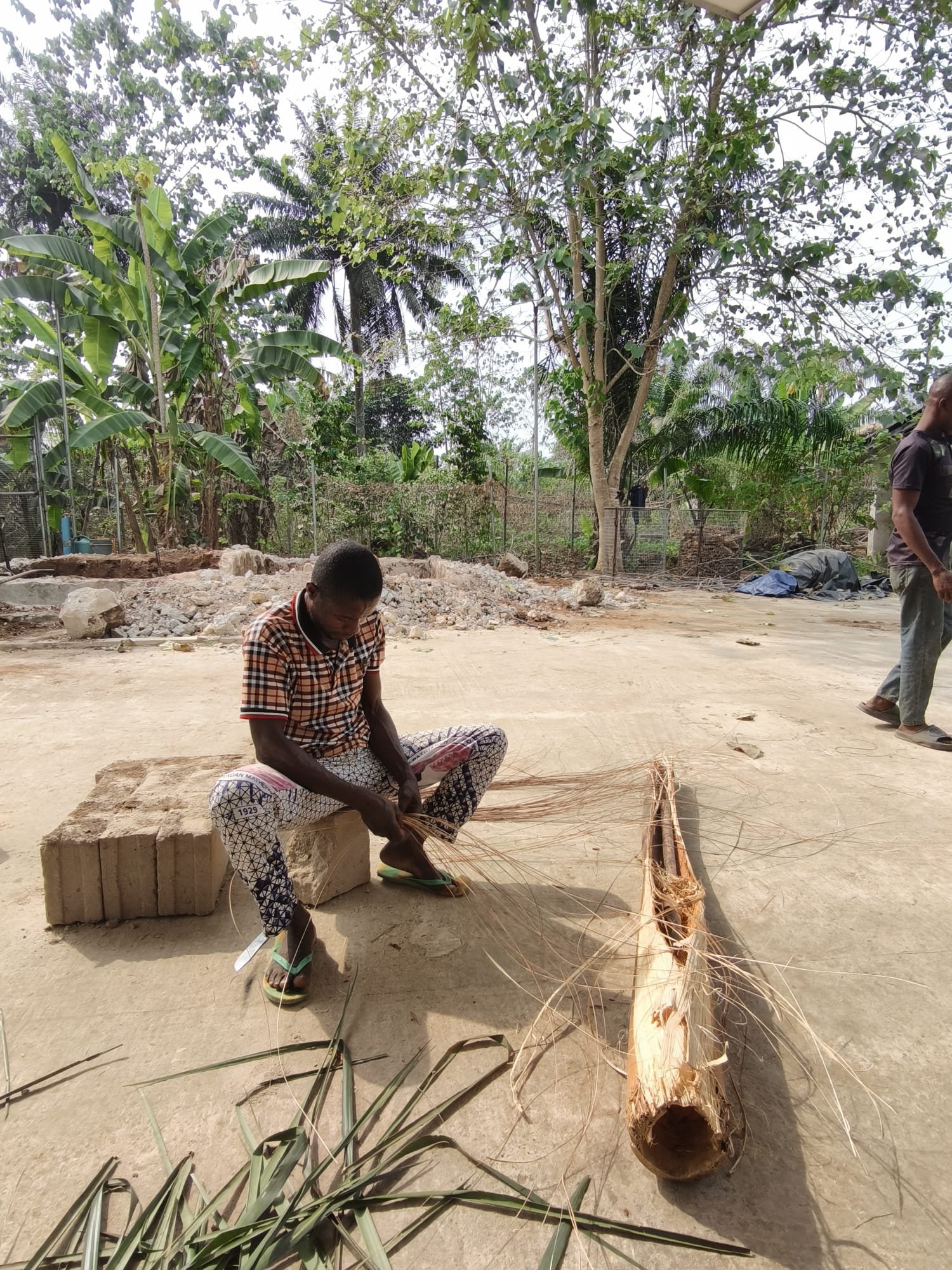
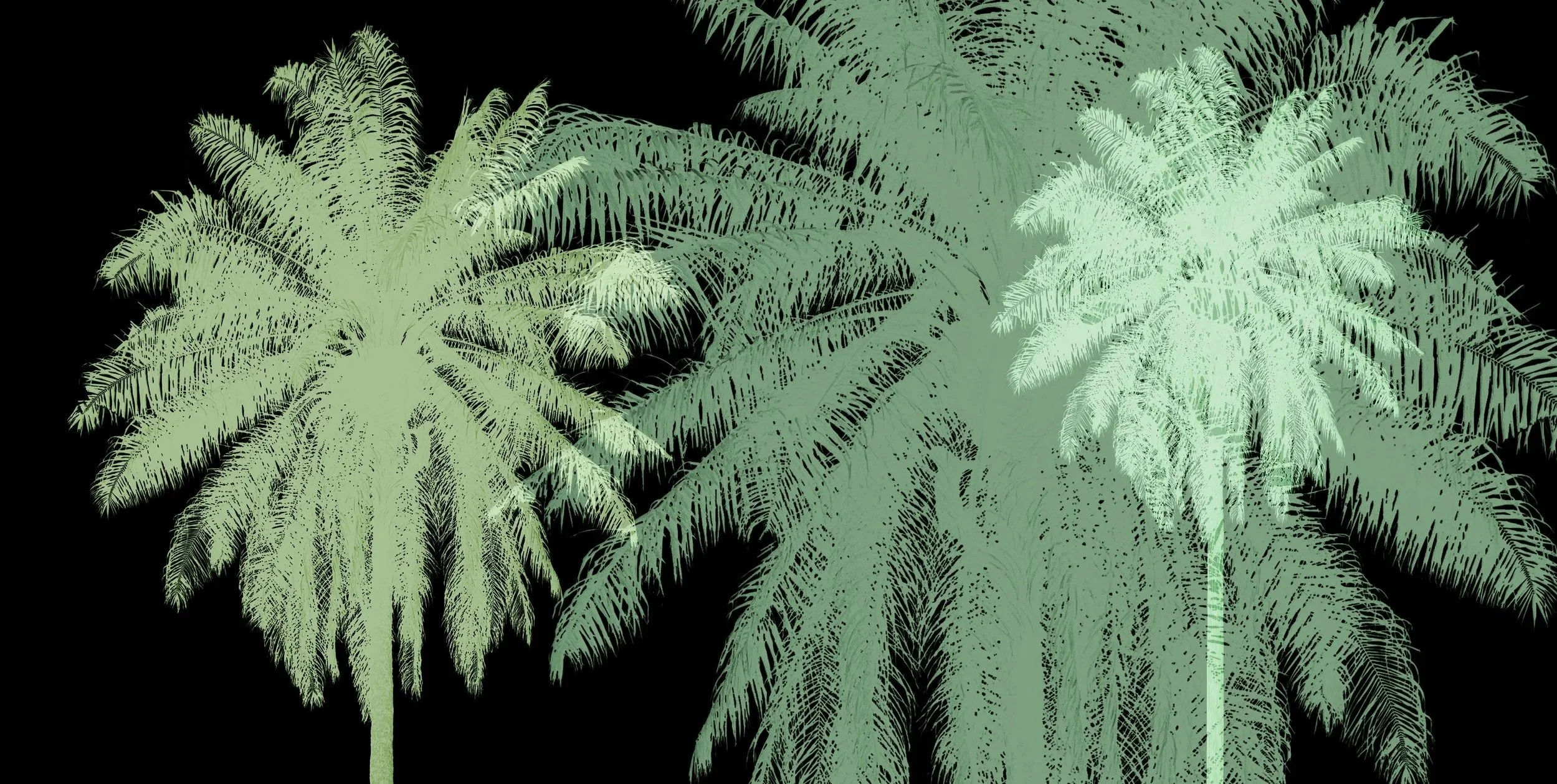
In Akwa Ibom, oil palm is deeply rooted in local life, nurtured through knowledge and practices passed down through generations. Every family owns palms and cultivates them, generation after generation. The tree is inscribed in the landscape, as it is in the families who cherish it and embrace all it offers. Its growth is the result of the way the sun spreads its light and warmth, of temperature variations from one season to the next, of how intensely the rains soak the soil during the rainy season, and of the strength of the wind which, together with birds and humans, carries and plants its seeds. There, in the forest lands of Akwa Ibom, the oil palm is part of an ecosystem of living and non-living beings that it nourishes and that, in turn, allow it to grow. Each being cares and is cared for. This means every part of the ecosystem helps maintain this balance. Every family that owns an oil palm knows that its fruit yields the red palm oil that gives color and flavor to many dishes. They know that its kernel yields palm kernel oil, mmanụ aki in Igbo language, which skin and hair love. In homes, its leaves are used for roofing and brooms. In crafts, they are made into baskets, ropes and other objects useful to the daily, economic and cultural life of the region. The harmony of its presence on these lands extends even to the color of its fruit, which recalls the soil in which it plants its roots.
NOTHING IS WASTED
This model of sustainable, responsible cultivation illustrates the circular-economy principles that underpin the farm’s operations. This web of relationships is shaped by what the land offers, by knowledge of its resources, and by the interdependence on which the subsistence of this ecosystem rests. It is within this field of relationships that the foundation found a place, one drawn by the locality itself, human, plant and animal, and by their dynamics and needs.
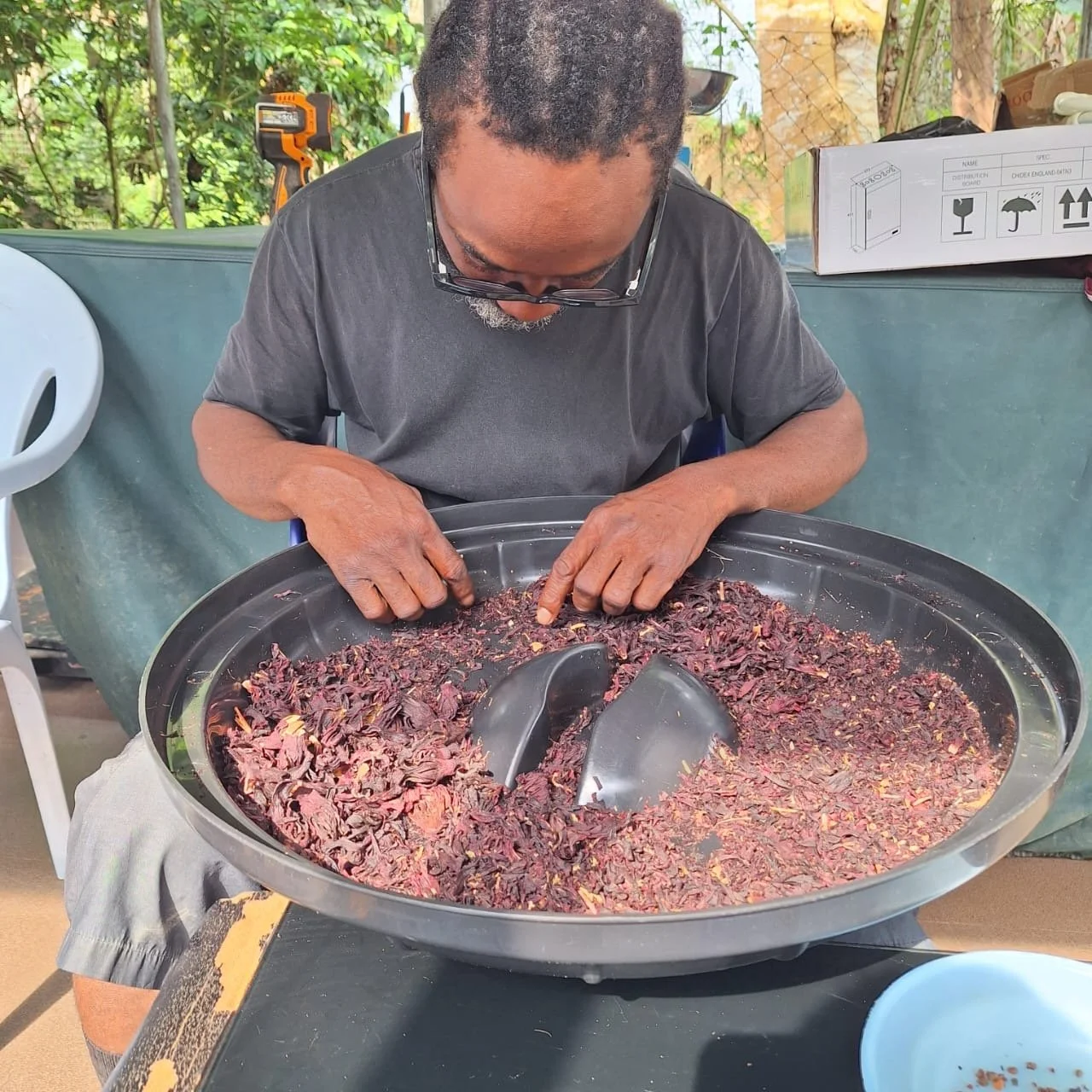
It is therefore in conversation with the local population that the farm organizes sales or donations of the produce it grows. It is likewise in conversation with local artisans and farmers that it draws on the knowledge, skills and resources of the area. The choice of crops, the methods used and the workforce employed all anchor the farm in its local context. Season by season, it continues to develop toward self-sufficiency, with constant attention to its surroundings.